
The 50/30/20 Rule: A Framework for Everyday Spending Decisions
The 50/30/20 rule splits income into needs, wants, and savings. Understand how it works, its limitations, and when to adapt it to your life.
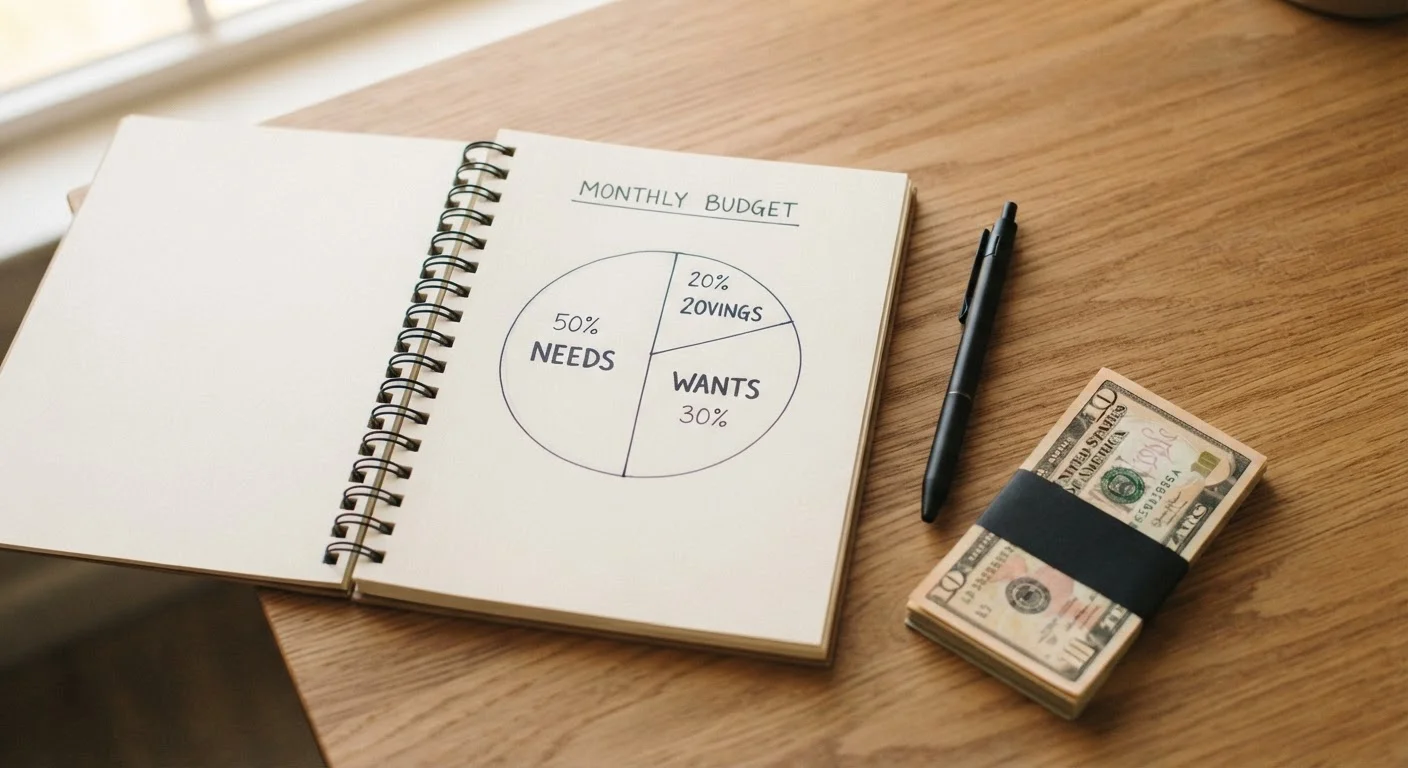
Photo: SummarizedReads.net | Just Read It! editorial
—— In This Article
Key Takeaways
- The 50/30/20 rule divides after-tax income into needs, wants, and savings or debt repayment.
- It is a guideline, not a rigid rule - your percentages may need to shift based on income and cost of living.
- Housing, utilities, groceries, and minimum debt payments typically qualify as needs.
- The 20% savings bucket should include both emergency reserves and long-term financial goals.
- High earners and low earners often need to adapt the framework for it to be realistic.
- Knowing where money currently goes is a useful first step before applying any percentage split.
How the Three Buckets Actually Work
The 50/30/20 rule is deceptively simple, but the real work lies in sorting your expenses accurately. Here is what belongs in each category:
- Needs (50%): Rent or mortgage, utilities, health insurance, groceries, minimum debt payments, and transportation required for work. These are non-negotiable monthly obligations.
- Wants (30%): Restaurants, entertainment subscriptions, travel, clothing beyond basics, and hobbies. These add value to your life but could be reduced without threatening your stability.
- Savings and Debt Repayment (20%): Emergency fund contributions, retirement account deposits, investment contributions, and any extra payments made above your minimum debt obligations.
The 20% bucket is where financial momentum is built. Even modest, consistent contributions to an emergency fund or retirement account compound meaningfully over time. If you are unsure how to categorize specific expenses, our budget categories reference guide walks through common line items in detail.
Start by Measuring, Not Changing
Before adjusting any spending categories, spend one full month simply recording what you actually spend in each bucket without trying to change anything. Most people discover surprises - recurring subscriptions forgotten, or wants spending that feels like necessity. Accurate data makes the 50/30/20 rule far more useful than guesswork does.
Where the Rule Gets Complicated
The 50/30/20 rule was designed for households with a median income living in a moderate cost-of-living area. For millions of Americans, those assumptions don't hold.
~5%
U.S. personal savings rate (recent years)
The U.S. Bureau of Economic Analysis has tracked the personal savings rate, which has frequently fallen well below the 20% target the 50/30/20 rule recommends.
30%+
Households spending over 30% of income on housing
According to the U.S. Census Bureau, roughly one in three American households are cost-burdened, meaning housing costs alone consume more than 30% of gross income.
$59,000+
Median U.S. household debt (excluding mortgages)
Federal Reserve survey data indicates that many American households carry significant non-mortgage debt, which directly competes with savings capacity inside the 20% bucket.
If you live in a high-cost city, your housing alone may absorb 35-40% of your take-home pay before you've bought a single grocery item. In those cases, the 50% needs ceiling becomes a floor rather than a limit. Conversely, higher earners may find that their needs consume only 30-35%, giving them more room to save or invest.
Neither situation makes the framework useless - it just means you need to adapt it. The value is in the three-bucket thinking, not the specific percentages. Consider starting by simply measuring where your money actually goes before imposing any target. Building a spending map first gives you a realistic baseline to work from.
How It Compares to Other Budgeting Approaches
The 50/30/20 rule sits in the middle ground of budgeting philosophy. Zero-based budgeting assigns every dollar a specific job and requires detailed monthly tracking - powerful but time-intensive. The pay-yourself-first method moves savings out of your account before you spend anything, then treats the rest as available. The 50/30/20 rule offers a middle path: broad structure without line-item granularity.
For people who want more intentional control over the relationship between savings and expenses, the pay-yourself-first approach is worth understanding alongside this framework. And for a broader view of how these methods fit into a long-term financial habit, a complete personal budgeting overview puts everything in context.
Retirement Contributions and Pre-Tax Deductions
If your employer deducts retirement contributions (such as a 401(k)) before your paycheck arrives, those contributions may not appear in your take-home pay at all. Some practitioners prefer to add pre-tax retirement savings back into the calculation to get a complete picture of the 20% savings rate. There is no single right answer - the important thing is to account for retirement saving somewhere in your framework, whether pre- or post-tax.
The 50/30/20 rule also pairs well with more intentional spending habits day-to-day. If you find the wants category creeping upward, low-regret spending habits can help you make more deliberate choices at the checkout.
Adapting the Framework to Your Real Life
No single budgeting rule fits every household. Think of 50/30/20 as a starting template, not a law. Here are practical ways to make it work for your situation:
- If needs exceed 50%: Focus on the 20% savings goal first, even if it means trimming the wants category more aggressively. Protecting your future self from financial shocks matters more than hitting an arbitrary percentage for discretionary spending.
- If you carry high-interest debt: Consider temporarily shifting part of the 30% wants allocation into the 20% debt repayment bucket until high-rate balances are cleared. The interest savings often outweigh the short-term lifestyle reduction.
- If you are building an emergency fund from zero: Prioritize accumulating three to six months of essential expenses before increasing retirement contributions. The order of operations matters for financial resilience.
Tracking your spending monthly - even roughly - helps you see whether your actual allocations are drifting from your targets. Apps, spreadsheets, or even a simple notebook review at month-end can surface patterns you wouldn't otherwise notice. For more structured budgeting resources, our saving and debt hub covers foundational strategies for both building reserves and managing obligations responsibly.
This article is for general informational and educational purposes only and does not constitute personalized financial advice. Consider consulting a qualified financial adviser for guidance specific to your situation.
Frequently Asked Questions

Finance Editorial Team
Finance Editorial Team is the collective byline for our editorial team and contributor network. Articles published under this byline or an editorial pen name are researched, written, and reviewed according to our editorial standards for clarity, consistency, and independence before publication.
View author profile