
The Habits Behind Smart, Low-Regret Spending — A Starter Framework
New to managing your spending at the checkout? This beginner-friendly overview covers the core habits that make shopping more intentional.
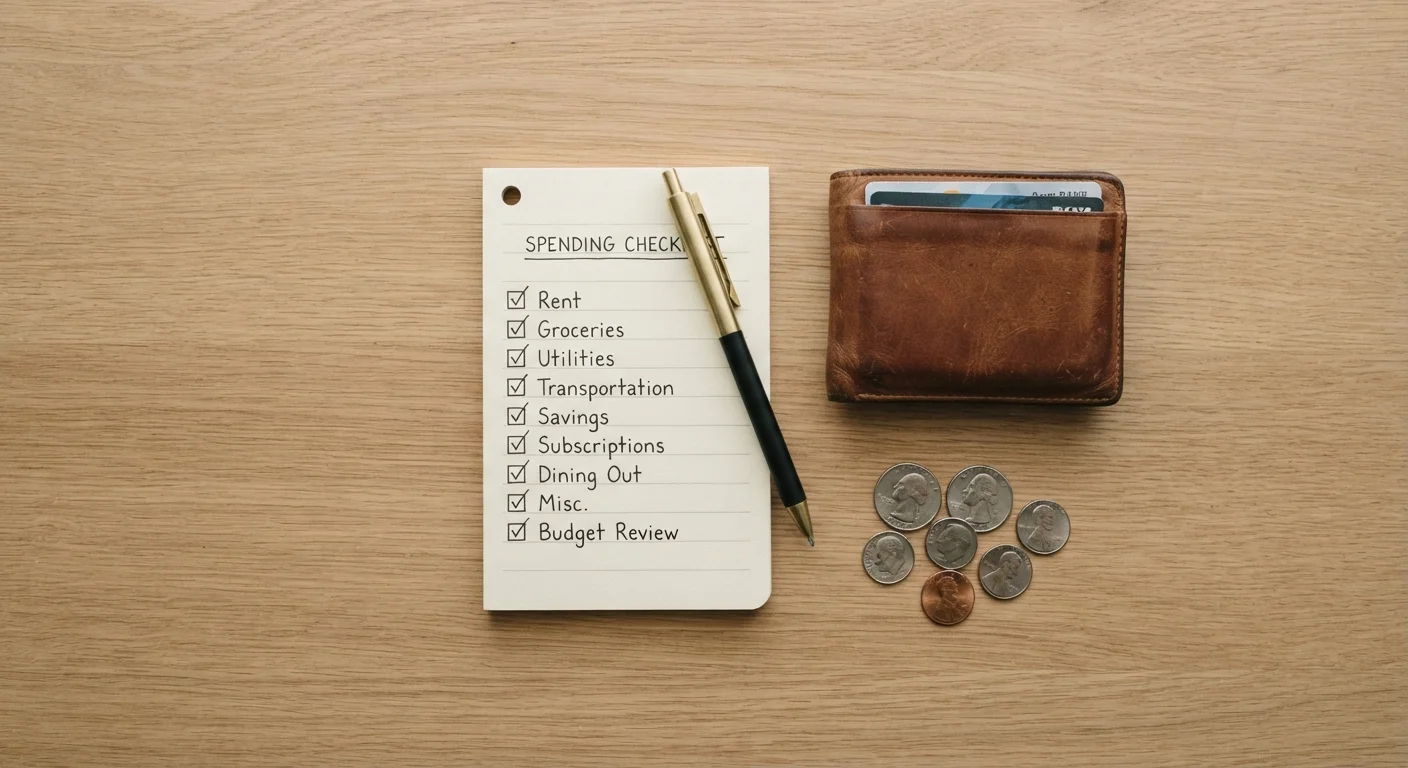
Photo: SummarizedReads.net | Just Read It! editorial
—— In This Article
Key Takeaways
- Spending habits are more reliable than relying on willpower alone to avoid overspending.
- A brief pause before purchasing is one of the most effective impulse-reduction tools available.
- Understanding total cost — not just sticker price — prevents many forms of buyer's remorse.
- Regular, non-judgmental spending reviews help you spot patterns before they become costly defaults.
- Small, consistent habits compound over time into meaningfully better financial outcomes.
Why Spending Habits Matter More Than Willpower
Most people assume overspending is a self-control problem. In practice, it's usually a systems problem. When purchasing decisions rely solely on in-the-moment willpower, they become vulnerable to fatigue, mood, marketing pressure, and distraction — all of which are constants in daily life.
Habits work differently. A habit is a routine that runs with less conscious effort once it's established, which means it's available even when your decision-making energy is depleted. The goal of this framework isn't to make you more disciplined — it's to build a small set of reliable routines that do the heavy lifting automatically.
This matters especially for everyday consumers who aren't financial professionals. You don't need a complex system. You need a handful of consistent behaviors that reduce friction between an impulse and a regretted purchase. For context on how spending habits fit into a broader financial picture, see the Budgeting Basics hub.
Impulse purchase
A buying decision made quickly and without prior planning, often driven by emotion, urgency, or in-store or online triggers rather than genuine need.
Buyer's remorse
The feeling of regret or dissatisfaction that occurs after making a purchase, typically when the item doesn't justify its cost or the decision felt rushed.
Total cost of ownership
The full expense of a purchase over time, including purchase price, ongoing running costs, maintenance, and eventual replacement — not just the upfront price.
Spending audit
A structured review of your recent transactions to identify spending patterns, recurring charges, and categories where money is going that you may not have tracked consciously.
Cooling-off window
A deliberate delay you introduce between wanting something and buying it, designed to let emotional urgency settle so you can make a more considered decision.
The Pause Habit: Creating Space Before You Buy
The single most documented habit for reducing impulse purchases is introducing a deliberate delay between intention and action. This is sometimes called the "cooling-off" window. For smaller unplanned items, 24 hours is a practical benchmark. For anything above a threshold you set yourself — say, $50 or $100 — consider a longer window of several days.
The mechanism is straightforward: emotional urgency peaks at the moment of discovery and fades with time. If a purchase still feels necessary after the delay, that's a meaningful signal. If you've forgotten about it, that's also useful information.
A wishlist is one practical tool for applying this habit. Rather than deciding yes or no at the moment of temptation, you park the item and revisit it later. Our article on using a wishlist deliberately covers this in more depth. You can also use a simple note app or a dedicated tab in your browser — the format matters less than the habit of deferral itself.
Turn Your Wishlist Into a Waiting Room
When you spot something you want but aren't sure about, add it to a wishlist or note rather than buying immediately. Set a reminder to revisit the item after your chosen waiting period. Most impulse-driven items lose their appeal within a few days — and the ones that don't are worth a more deliberate decision.
Know What You're Actually Buying Into
Sticker price is only part of what a purchase actually costs. A cheaper item that requires frequent replacement, ongoing consumables, or costly maintenance can end up more expensive than a higher-priced alternative. This concept — sometimes called total cost of ownership — is especially relevant for appliances, electronics, vehicles, and subscription-based services.
Before committing to any significant purchase, it's worth asking: What does this cost to use, maintain, and eventually replace? Our guide on total cost of ownership walks through a practical evaluation framework.
A second question worth building into your routine: Does this purchase align with how I've decided to allocate my spending? That question has more traction when you already have a spending framework in place. The 50/30/20 rule is one straightforward approach to categorizing where your money should go before you're standing at the checkout.
Reviewing Your Spending Without Judgment
Habits form in feedback loops. Without a regular review of where money actually went, it's difficult to know whether your habits are working or where they're breaking down. A weekly or monthly spending review doesn't need to be elaborate — even a 10-minute look at your bank or card transactions can surface patterns you hadn't noticed.
The key is to approach this review as an observation exercise, not a self-critique session. You're looking for patterns: categories that consistently run over what you intended, subscriptions you'd forgotten about, or spending that doesn't reflect what you actually value. For a more structured approach, the spending audit method provides a repeatable process.
If you find patterns that concern you, it can help to look at the contrast between where money flows now and what habits are working against long-term goals — patterns that quietly erode savings is a useful companion read here.
Avoid Using Reviews as Justification
It's easy to spend time reading product reviews as a way of talking yourself into a purchase you've already emotionally decided to make. Reviews are most useful when consulted before you've committed to buying something, not after. If you notice you're selectively reading positive reviews to confirm a decision, that's a signal to pause and return to your waiting period.
Putting the Framework Into Daily Practice
The habits described in this guide work best when they're treated as a package rather than isolated tactics. Pause before purchasing. Understand full costs, not just price tags. Review your spending regularly. Each habit reinforces the others.
If you're starting from scratch, pick one habit and apply it for two to three weeks before adding another. Behavioral consistency matters more than doing everything at once. Once the pause habit feels automatic, layering in regular reviews becomes significantly easier.
For those ready to connect these habits to a broader financial framework, personal budgeting from foundations to long-term habits covers how shopping behaviors fit into the larger picture of managing income and expenses. And if you're curious about how different budgeting philosophies shape spending decisions from the start, pay-yourself-first vs. traditional budgeting offers a clear comparison.
There's no universal perfect system. The goal is a set of habits you'll actually use — consistent, low-effort, and grounded in what you genuinely value spending on.
Frequently Asked Questions

Shopping Editorial Team
Shopping Editorial Team is the collective byline for our editorial team and contributor network. Articles published under this byline or an editorial pen name are researched, written, and reviewed according to our editorial standards for clarity, consistency, and independence before publication.
View author profile