
Caulk vs. Grout: Knowing Which Sealer Belongs Where
Caulk and grout aren't interchangeable. Understand the differences, when each is appropriate, and why using the wrong one leads to costly repairs.
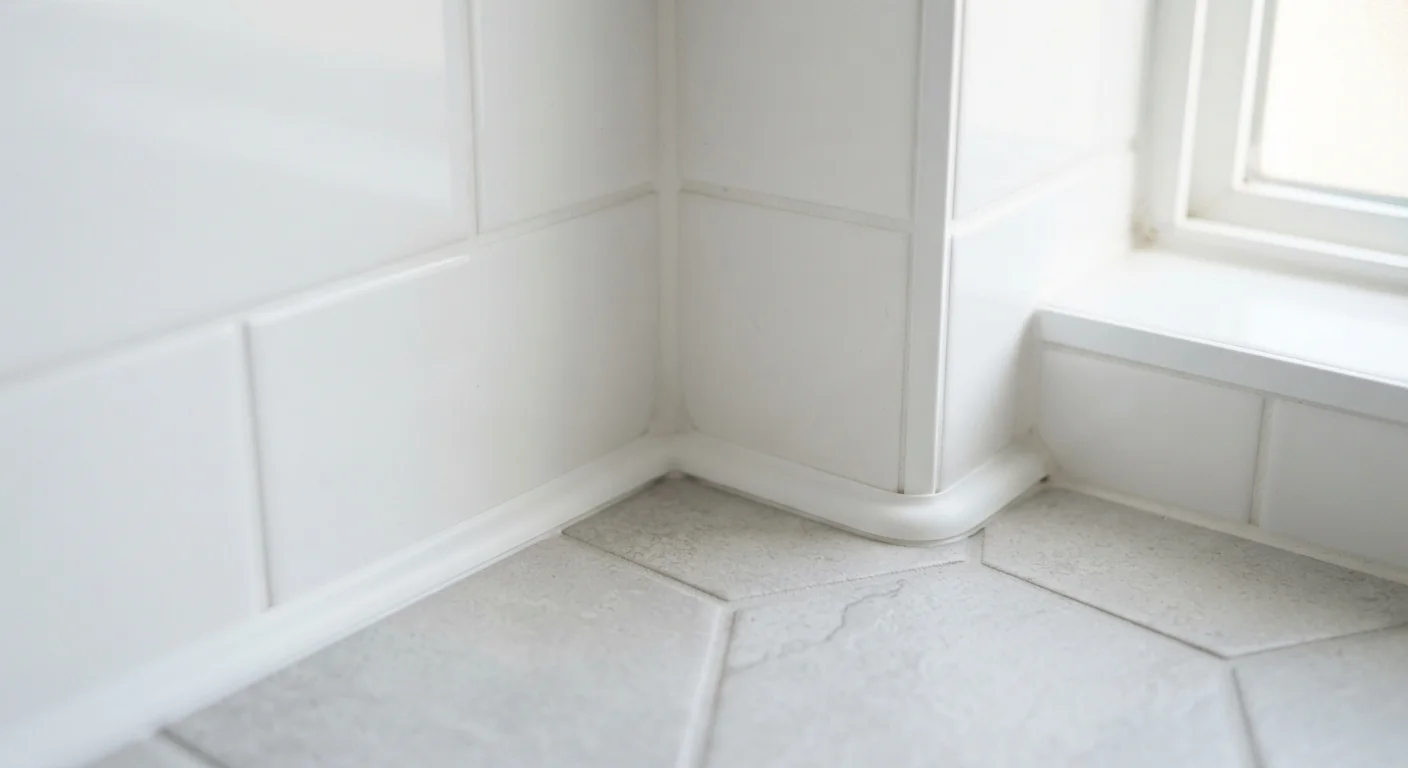
Photo: SummarizedReads.net | Just Read It! editorial
—— In This Article
Key Takeaways
- Grout is rigid and belongs between tiles on the same flat plane; caulk is flexible and seals corners and transitions.
- Using grout where caulk belongs causes cracking as the structure shifts with temperature and moisture.
- Corners where walls meet floors or tubs are always caulk territory, even when they're tiled.
- Silicone caulk resists moisture best; sanded or unsanded grout is chosen based on joint width.
- Color-matching caulk to grout is possible and maintains a cleaner visual appearance.
- Replacing the wrong material early prevents costly water damage and mold behind tiles.
What Each Material Is Actually Doing
Grout and caulk look similar when freshly applied, but they're engineered for completely different jobs. Understanding that difference is the key to a tile installation that holds up for years instead of months.
Grout is a cement-based (or sometimes epoxy-based) filler that cures into a hard, rigid material. Its job is to fill the uniform gaps between tiles, lock them in relative position, and protect the edges of the tile from chipping. Because it's rigid, it works well when the tiles on either side of a joint are part of the same surface and will expand and contract together.
Caulk is a flexible polymer sealant - most commonly latex-modified acrylic or silicone - that stays somewhat pliable after curing. That flexibility is not a weakness; it's the entire point. Caulk is designed to absorb movement between two surfaces without cracking or pulling away from the substrate.
| Criterion | Grout | Caulk |
|---|---|---|
| Composition | Cement or epoxy base | Silicone or latex polymer |
| Flexibility after cure | Rigid | Flexible, semi-pliable |
| Best location | Field joints between tiles | Corners and plane-change joints |
| Waterproofing | Porous unless sealed | Waterproof when properly applied |
| Movement tolerance | None - cracks under flex | High - designed for movement |
| Typical lifespan (wet areas) | 5-15 years with sealing | 5-10 years before re-application |
| DIY difficulty | Moderate (mixing, timing) | Low to moderate (tooling) |
A simple rule of thumb used by tile professionals: plane changes get caulk, flat fields get grout. Anywhere two different surfaces meet - a wall and a floor, a tile and a tub deck, a backsplash and a countertop - there will be differential movement. Caulk handles that; grout cannot.
Where Each One Belongs: A Practical Room Guide
The decision isn't complicated once you know the principle, but specific locations in a bathroom or kitchen trip up a lot of DIYers.
Always Caulk
- Inside corners where two tiled walls meet
- The joint between a tiled wall and a bathtub or shower pan - this is arguably the most critical spot in the entire bathroom
- Where tile meets a different material: drywall, wood trim, a window sill, a countertop
- The perimeter of a tiled floor where it meets the baseboard or wall
- Around plumbing fixtures - faucet bases, drain flanges, and supply-line escutcheons
Always Grout
- All field joints between tiles on a single flat wall or floor plane
- Mosaic tile sheets, where the joints are small and numerous
A Note on 'Caulk Over Grout' in Corners
If you inherited a tiled space where grout was used in corners, the fix is to remove the grout before applying caulk - not to apply caulk on top of existing grout. Caulk won't bond properly to loose or cracked grout, and layering creates a gap that traps moisture. A grout saw or oscillating multi-tool makes removal manageable, though it takes patience to avoid scratching adjacent tile surfaces.
For ongoing grout maintenance - cleaning, sealing, and spot repairs - see our room-by-room grout maintenance guide for detailed, room-specific advice. And if you're still deciding on tile versus another flooring option altogether, our article on tile vs. luxury vinyl plank for wet rooms covers the moisture and durability trade-offs in depth.
Choosing the Right Type Within Each Category
Once you know which product you need, you still have to select the right formulation.
1/8"
Joint width threshold for sanded vs. unsanded grout
Tile industry guidelines generally recommend switching from unsanded to sanded grout at joints of 1/8 inch or wider to prevent shrinkage cracking.
5-10 yrs
Typical caulk lifespan in wet areas
Silicone caulk in shower surrounds generally lasts 5 to 10 years before it begins to peel or allow moisture infiltration, depending on use and ventilation.
~$8-$20
Typical cost range per tube of quality caulk
General retail pricing for silicone and siliconized latex caulk products in the US; exact costs vary by region and product type.
Types of Grout
- Unsanded grout - used for joints narrower than 1/8 inch; the fine texture prevents it from scratching polished tile surfaces
- Sanded grout - used for joints 1/8 inch and wider; the sand aggregate prevents excessive shrinkage in larger gaps
- Epoxy grout - highly stain- and chemical-resistant, often used in commercial kitchens and high-traffic areas; harder to work with and more expensive
Types of Caulk
- Silicone caulk - excellent waterproofing and long-term flexibility, ideal for wet areas like shower corners; harder to tool and doesn't accept paint
- Latex or acrylic caulk - easier to apply and clean up with water, paintable, but less durable in continuously wet environments
- Siliconized latex caulk - a hybrid that's easier to work with than pure silicone while offering better moisture resistance than plain acrylic
For shower and tub surrounds, silicone or siliconized latex is the practical choice. For a painted interior corner in a dry room, standard paintable latex caulk is sufficient.
What Happens When You Use the Wrong One
Using grout in a corner or at a plane change is one of the most common - and most avoidable - tile mistakes. Here's the failure sequence: the structure flexes slightly with seasonal temperature swings and normal use; the rigid grout can't move with it; a crack develops, often within the first year; water enters the crack; and eventually you're dealing with mold, substrate damage, and loose tiles.
The repair is significantly more disruptive and expensive than doing it right the first time. Removing cracked grout from an inside corner requires a grout saw or oscillating tool, careful work to avoid scratching the tile, and then proper cleaning and drying before the caulk can be applied.
The reverse mistake - using caulk in a field joint between tiles - creates a different problem. Caulk doesn't have the compressive strength or the rigid bond that keeps tiles properly spaced and protected. It will compress unevenly, discolor faster than grout, and is difficult to match visually once you need to repair a section.
Color-matching tip: Most major grout manufacturers also produce caulk in the same color palette. Buying matching grout and caulk from the same line makes the transitions nearly invisible to the eye - a small detail that makes a finished installation look professional.

Home Editorial Team
Home Editorial Team is the collective byline for our editorial team and contributor network. Articles published under this byline or an editorial pen name are researched, written, and reviewed according to our editorial standards for clarity, consistency, and independence before publication.
View author profile