
Loyalty Programmes and Discount Stacking: Understanding the Fine Print
Retailer loyalty schemes often have rules about combining rewards with coupons. Here's what the terms typically say and why it matters.
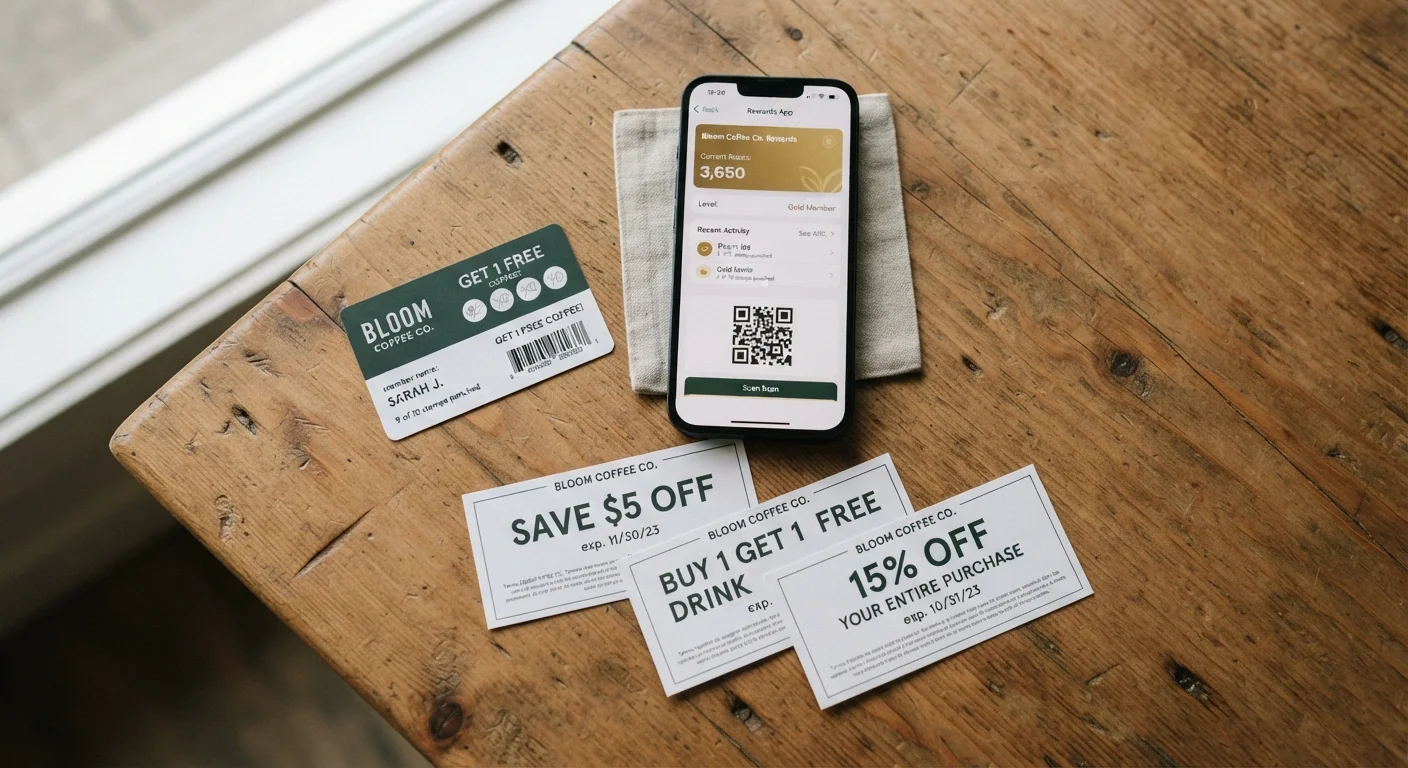
Photo: SummarizedReads.net | Just Read It! editorial
—— In This Article
Why the Fine Print on Loyalty Programmes Matters
Loyalty programmes and discount coupons look like natural partners — both are designed to reduce what you pay. But retailers frequently write their terms to keep these two savings mechanisms separate. The result: a coupon applied at checkout may not earn points, or a reward redemption may invalidate a sale price. Understanding how these rules typically work is the first step toward using both effectively.
For a broader look at how coupons function from the retailer's side, see Coupon Codes Explained, which covers why retailers issue them and what they track.
| Who sets stacking rules | Individual retailers, via their programme terms and conditions |
| Where to find exclusions | Programme FAQ, account dashboard, or terms & conditions page |
| Common restriction type | Coupons or promo codes disqualify the transaction from earning points |
| Redemption floor rule | Some programmes require a minimum spend even after a coupon before rewards can be applied |
| Brand/category exclusions | Often listed in a separate appendix; vendor-managed brands are frequently excluded |
Common Stacking Restrictions in Programme Terms
Most loyalty programme agreements contain one or more of the following restriction types. Recognizing them before checkout prevents confusion.
- Points-excluded transactions: Many programmes specify that purchases made with a promotional coupon, third-party discount code, or clearance pricing do not qualify for points earnings. The programme terms typically call these "excluded tender types" or "non-qualifying transactions."
- Reward-redemption floors: Some programmes require a minimum out-of-pocket spend — even after a coupon — before a reward certificate can be applied. If a coupon brings the order total below that threshold, the reward may be declined at checkout.
- One-promotion-per-transaction rules: Retailers operating both a loyalty programme and a coupon system sometimes restrict customers to one active promotion per order. The terms usually state this as "not combinable with other offers."
- Category and brand exclusions: Points or rewards may be restricted on certain brands (often those sold under vendor-managed agreements) regardless of whether a coupon is used. These exclusions tend to appear in a separate appendix to the main programme terms.
For a side-by-side look at how promo codes and store coupons differ in these interactions, Promo Codes vs. Store Coupons explains the structural differences that drive these rules.
Stacking
Applying more than one type of savings — such as a coupon plus a loyalty reward — to a single transaction. Whether stacking is permitted depends entirely on each retailer's programme terms.
Points-excluded transaction
A purchase that does not qualify for loyalty points earnings, typically because a promotional discount, clearance price, or third-party code was used.
Reward certificate
A fixed-value voucher issued by a loyalty programme once a member reaches a redemption threshold. Terms govern whether it can be combined with coupons or used on excluded items.
Non-qualifying tender
A payment method or discount type that a loyalty programme explicitly excludes from point-earning calculations, such as gift cards or certain promotional codes.
Minimum out-of-pocket spend
The lowest dollar amount a shopper must pay directly — after discounts — before a reward certificate or redemption is accepted by a retailer.
How to Find and Read the Relevant Terms
Programme terms are usually accessible from the loyalty account dashboard or the programme's FAQ page. Key sections to locate:
- "Earning Points" or "How to Earn" section — This is where exclusions for discounted purchases are most commonly listed.
- "Redeeming Rewards" section — Look for minimum-spend requirements and any language about combining rewards with other offers.
- "Excluded Items or Categories" — Often a separate list or linked page; essential for knowing where restrictions apply.
If terms are unclear, most retailers provide a customer service channel specifically for loyalty programme questions. Asking before completing a transaction is more useful than disputing a missing points balance afterward.
Terms Can Change Without Direct Notice
Retailers reserve the right to update loyalty programme terms, and many agreements allow changes with minimal advance notice — sometimes just a programme-wide email. If you rely on a specific stacking combination, verify the current terms before your next transaction rather than assuming prior rules still apply. Archiving a screenshot of the relevant terms section on the day of purchase can be useful if a dispute arises.
Shoppers interested in loyalty schemes beyond retail — such as airline miles programmes — can find a plain-language breakdown in Travel Hacking: What Points and Miles Programs Actually Involve. The structural logic of tiered rewards and exclusion windows applies across categories.
For a fuller picture of what you agree to when enrolling in a retail loyalty scheme — including data sharing and spending incentives — see Loyalty Programmes Decoded.

Shopping Editorial Team
Shopping Editorial Team is the collective byline for our editorial team and contributor network. Articles published under this byline or an editorial pen name are researched, written, and reviewed according to our editorial standards for clarity, consistency, and independence before publication.
View author profile