
Subscription vs. One-Time Purchase: When Each Model Actually Saves You Money
Not every subscription is a trap, and not every one-time buy is a bargain. A clear breakdown of when each payment model works in your favour.
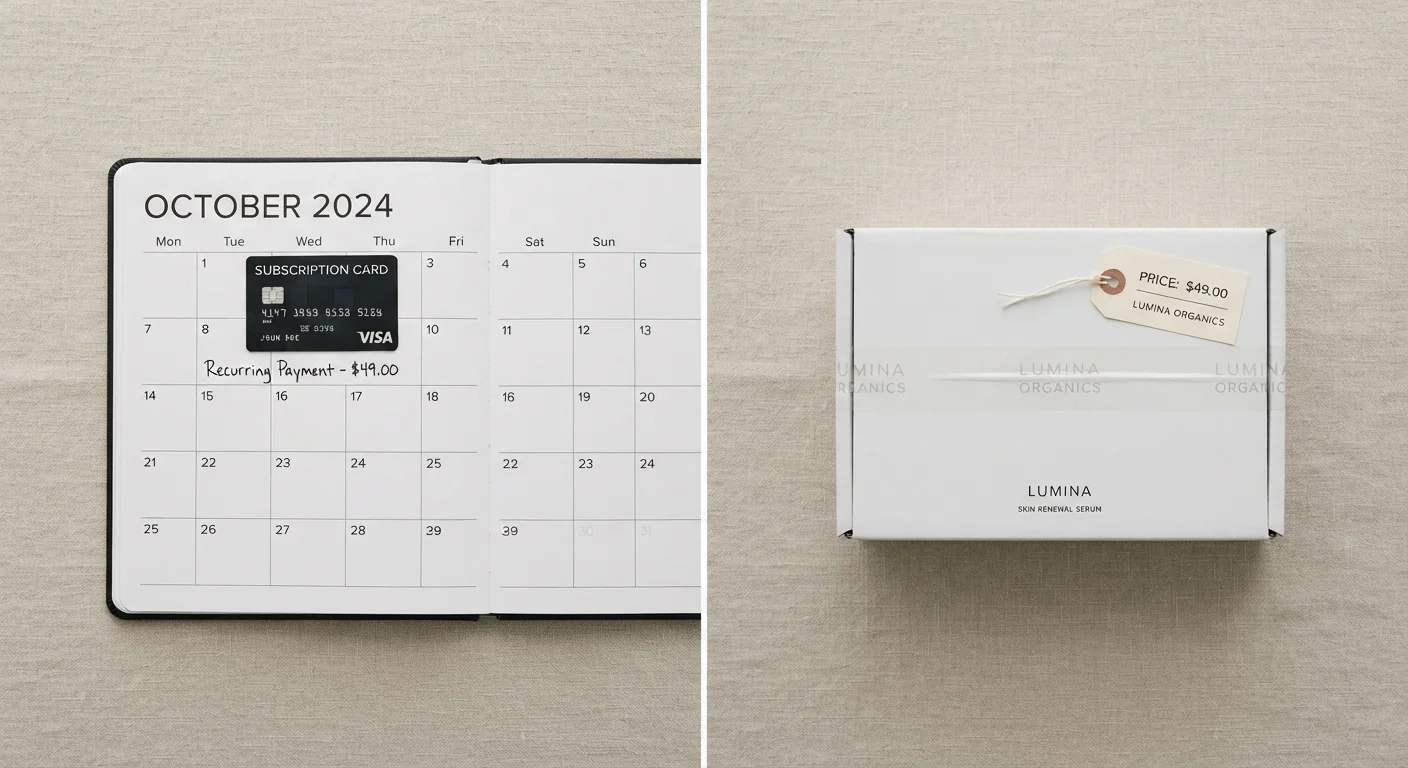
Photo: SummarizedReads.net | Just Read It! editorial
—— In This Article
Key Takeaways
- Subscriptions only save money when your usage is high and consistent enough to justify recurring costs.
- One-time purchases carry higher upfront cost but eliminate ongoing fees — total cost of ownership matters most.
- Hidden renewal increases and unused subscriptions are among the most common ways recurring models cost more than expected.
- Breaking-even analysis — dividing the purchase price by monthly cost — reveals which model is financially smarter.
- Neither model is universally better; the right choice depends on frequency of use, product lifespan, and cash flow.
The Core Trade-Off: Access vs. Ownership
Every purchase decision involving a subscription or one-time buy is fundamentally a question of how much you'll use something versus how much you'll pay over time. Neither model is inherently more consumer-friendly — each has structural advantages that only materialise under the right conditions.
A subscription spreads cost across time and typically includes ongoing access to updates, content, or consumables. A one-time purchase transfers ownership immediately and ends the financial relationship with the seller. The problem is that most shoppers evaluate only the upfront number, not the total expenditure over a realistic ownership period.
Before committing to either model, it helps to think in terms of total cost of ownership — a framework that accounts for all costs over the product's useful life, not just what you pay at checkout. See our total cost of ownership guide for a structured way to run those numbers.
| Criterion | Subscription Model | One-Time Purchase |
|---|---|---|
| Upfront cost | Low to none | Higher, paid immediately |
| Total long-term cost | Can exceed purchase price over time | Fixed; predictable lifetime cost |
| Price stability | Subject to renewal increases | Fixed at point of purchase |
| Ongoing updates/features | Typically included | Version-specific; upgrades cost extra |
| Cancellation flexibility | Varies; monthly plans more flexible | No cancellation required |
| Best usage pattern | Frequent, consistent use | Occasional or long-term use |
| Vendor dependency risk | Higher; access ends if you stop paying | Lower; you own the product |
When Subscriptions Work in Your Favour
Subscriptions make financial sense under a specific set of conditions: high use frequency, regularly updated content or features, and a per-use cost lower than the one-time alternative. Software suites, streaming libraries, and consumable goods delivered on a schedule often fit this profile.
The break-even calculation is straightforward: divide the one-time purchase price (if available) by the monthly subscription cost to find how many months of subscribing equals the outright price. If you expect to use the product beyond that point, subscribing may cost more. If you'd realistically stop before then, subscribing is cheaper.
2–3×
Typical subscription-to-ownership cost ratio over five years
Consumer finance analyses frequently show that five years of subscription payments can cost two to three times the equivalent one-time license price for comparable software products.
$273
Average monthly US household subscription spend (estimated)
A 2022 survey by C+R Research found US consumers spent an average of $219/month on subscriptions, a figure that has trended upward in subsequent years as services proliferate.
42%
Consumers who forgot about at least one active subscription
The same C+R Research survey found nearly four in ten respondents had forgotten they were still paying for at least one subscription service.
Subscriptions can also be the smarter choice when the vendor bundles substantial added value — security updates, cloud storage, priority support — that would cost extra under a one-time model. Watch carefully, though, for price escalation at renewal. Many services offer introductory rates that reset after the first term, quietly increasing your annual spend. This pattern is detailed in our look at discount traps that cost more than they save.
When One-Time Purchases Come Out Ahead
A one-time purchase wins on total cost when the product has a long useful life, usage is intermittent, and no meaningful ongoing value is added by a recurring payment. Physical tools, standalone software licenses, and durable goods are classic examples.
The risk with outright purchases is front-loading cost in a way that strains a monthly budget. But for consumers who can absorb the initial outlay, the long-term math frequently favours ownership — especially as subscription prices tend to rise over time while your paid-off purchase doesn't.
One-time purchases also eliminate a behavioural trap that subscriptions carry: the sunk-cost bias. When a service auto-renews, many people continue paying simply because cancelling feels like losing something, even when usage has dropped to near zero. Ownership removes that dynamic entirely. For a broader look at how purchase timing and psychology intersect, building a smarter shopping habit offers practical pre-purchase evaluation steps.
Practical Checks Before You Commit
Use these four questions to guide the decision regardless of which model you're evaluating:
- How often will I realistically use this? Be honest. Past behaviour is more reliable than projected enthusiasm.
- What does this cost over two to three years? Multiply the monthly fee by 24 or 36 and compare it to the one-time price, including any upgrade costs.
- Does the subscription include value I'd otherwise pay for separately? Bundled features only count if you actually use them.
- Can I cancel easily if my needs change? Annual contracts with cancellation penalties shift the risk profile significantly.
It's also worth auditing existing subscriptions periodically. Research from consumer finance tracking tools consistently finds that households underestimate the number of active subscriptions they're paying for — often by a wide margin. Unused subscriptions are pure waste, and they're the single fastest way the subscription model works against you. Understanding what makes a discount genuinely worth taking applies equally to recurring fees as it does to one-off sales.

Shopping Editorial Team
Shopping Editorial Team is the collective byline for our editorial team and contributor network. Articles published under this byline or an editorial pen name are researched, written, and reviewed according to our editorial standards for clarity, consistency, and independence before publication.
View author profile