
Travel Health Prep: What to Discuss With a Doctor Before You Depart
Vaccinations, prescriptions, and chronic conditions all need pre-trip attention. This guide outlines what to raise with a qualified healthcare provider.
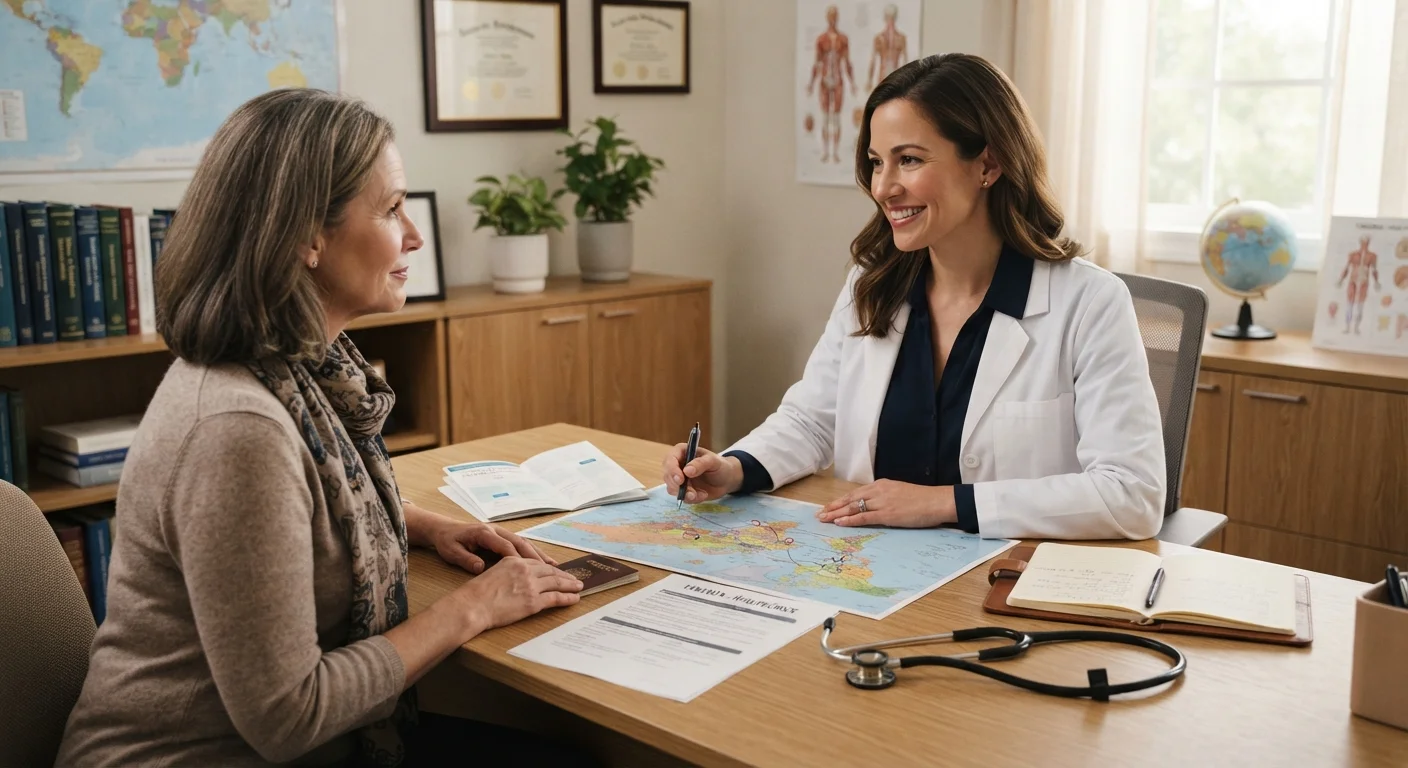
Photo: SummarizedReads.net | Just Read It! editorial
—— In This Article
Key Takeaways
- Schedule your travel health appointment at least 4–6 weeks before departure to allow time for vaccinations.
- Bring a complete list of current medications, allergies, and chronic conditions to your appointment.
- Your doctor can advise on destination-specific risks, including food, water, altitude, and insect-borne illness.
- Ask about a travel medication kit, including prescriptions for traveler's diarrhea or motion sickness if appropriate.
- Always verify entry requirements and vaccination rules with official government sources before you travel.
Why a Pre-Travel Health Consultation Matters
A pre-departure doctor's visit is one of the most straightforward ways to reduce health risk on the road — yet it's routinely skipped by travelers focused on logistics and bookings. Health needs are destination-dependent: a beach trip within the continental US carries very different risks than a multi-country itinerary through sub-Saharan Africa or Southeast Asia. Even domestic trips can involve altitude changes, remote areas with limited medical access, or food and water quality variations that warrant preparation.
Seeing a qualified healthcare provider before you depart gives you the chance to address vaccinations, manage existing prescriptions across time zones, and get guidance specific to your health history — not generic internet advice. For context on how health prep fits into the broader planning picture, see The Anatomy of a Well-Planned Trip.
This Is Not Medical Advice
This article provides general educational information to help you prepare for a conversation with a qualified healthcare provider. It is not a substitute for professional medical advice, diagnosis, or treatment. Always consult a licensed physician or travel medicine specialist before making any health decisions related to your trip.
This guide walks through the key topics to raise at your appointment so you can make the most of the time with your provider. It is not a substitute for that professional consultation.
What to Bring and What to Expect
A well-prepared patient gets a more useful appointment. Gathering your materials in advance — itinerary, medication list, vaccination records — means your provider spends the appointment giving you answers rather than piecing together your baseline health picture.
What you will need
Expect the consultation to cover your destination risks, immunization status, any prescriptions that may help while traveling, and how to handle your current medications on the road. If you have a chronic condition, the conversation will also include contingency planning. For travelers with anxiety about health emergencies abroad, Managing Anxiety While Traveling offers additional coping strategies.
Find a Travel Medicine Specialist
General practitioners can handle many pre-travel health needs, but a board-certified travel medicine specialist has destination-specific expertise that a routine doctor's visit may lack. The International Society of Travel Medicine (ISTM) maintains a public directory of travel clinics. Check with your insurance provider about coverage before booking a specialist visit.
Tools and Resources to Have Ready
A few specific resources will help you and your provider have a productive, evidence-based conversation rather than working from memory alone.
Immunization Records
Allows your doctor to review your current vaccination status and identify any gaps before recommending travel vaccines.
Destination Health Information (CDC Travelers' Health)
The CDC's Travelers' Health website provides destination-specific health notices, vaccine recommendations, and outbreak alerts to share with your provider.
Medication List
A written list of all current medications, supplements, and known allergies helps your doctor flag interactions and plan a travel kit.
Travel Insurance Policy
Knowing your coverage details helps your doctor understand what emergency medical resources may be available to you abroad.
Having these materials organized before your appointment also helps you spot gaps — for instance, realizing you don't have an updated vaccination record might prompt you to request one from your previous provider before the consultation.
Step-by-Step: Preparing for and Conducting Your Appointment
Follow these steps from scheduling through documentation to make sure nothing important is missed before you leave.
Book Your Appointment Early
Contact your primary care physician or a travel medicine clinic as soon as your travel plans are confirmed. Request a pre-travel consultation specifically — this signals to the office that you need time to discuss vaccinations, prescriptions, and destination health risks rather than a routine visit. Many clinics block extra time for these appointments.
Bring Your Full Health and Travel Picture
Arrive prepared with your complete itinerary, vaccination history, current medication list, and any relevant medical records. The more context your provider has — including planned activities like hiking, swimming, or visiting rural areas — the more tailored their recommendations will be. Don't omit supplements or over-the-counter medications, as these can interact with travel prescriptions.
Review Destination-Specific Health Risks
Ask your doctor to walk through the specific health risks associated with your destination(s). This typically covers food and water safety, insect-borne illnesses such as malaria or dengue, altitude sickness for mountainous regions, and any active disease outbreaks. Your provider may reference the CDC Travelers' Health or State Department advisories. Verify entry requirements yourself through official sources before traveling.
Discuss Vaccinations and Timing
Your provider will compare your immunization history against what's recommended or required for your destination. Common travel vaccines include hepatitis A and B, typhoid, yellow fever, and updated routine vaccines. Some are legally required for entry into certain countries. Ask specifically which vaccines require multiple doses and when each must be started to be fully effective before your departure date.
Ask About a Travel Medication Kit
Depending on your destination and health history, your doctor may recommend prescriptions for conditions common to travelers — such as traveler's diarrhea, motion sickness, altitude sickness, or malaria prophylaxis. Discuss whether any of these are appropriate for your trip and how to use them correctly. Also ask how to manage your existing prescriptions while crossing time zones.
Address Chronic Conditions and Special Circumstances
If you manage a chronic condition — diabetes, heart disease, respiratory issues, or any other ongoing health concern — discuss how travel may affect your management routine. Topics to cover include temperature storage needs for medications, access to medical care at your destination, and what symptoms would warrant seeking care abroad. Pregnant travelers, older adults, and those who are immunocompromised should flag this explicitly, as recommendations may differ significantly.
Document Everything and Follow Up
Before leaving the appointment, make sure you have written documentation of all vaccine doses received, prescriptions issued, and any follow-up appointments needed for multi-dose vaccines. Store digital copies of these documents alongside your travel records. If your departure date shifts, contact your provider promptly — timing matters for some preventive medications and vaccines.
Don't Leave Vaccination Timing to Chance
Some vaccines require multiple doses spread over several weeks, and some take time to become effective. Booking your travel health appointment too close to your departure date may mean certain vaccines cannot be completed in time. Aim to schedule at least four to six weeks out — and earlier if your trip involves remote or high-risk destinations.
Once your appointment is complete, incorporate any new health documentation into your broader pre-trip preparation. The Before You Board checklist is a useful companion for ensuring health prep sits alongside your other departure-day essentials. For emergency planning, see Emergency Contacts, Documents, and Plans to round out your readiness.
This article is for general informational and educational purposes only and is not a substitute for professional medical advice. Always consult a qualified healthcare provider regarding your personal health needs before traveling.

Travel Editorial Team
Travel Editorial Team is the collective byline for our editorial team and contributor network. Articles published under this byline or an editorial pen name are researched, written, and reviewed according to our editorial standards for clarity, consistency, and independence before publication.
View author profile