
Keeping Your Car Roadworthy: A Maintenance Framework That Actually Works
Reliable vehicles aren't luck—they're the result of consistent habits. Here are the maintenance practices that experienced drivers and mechanics stand behind.
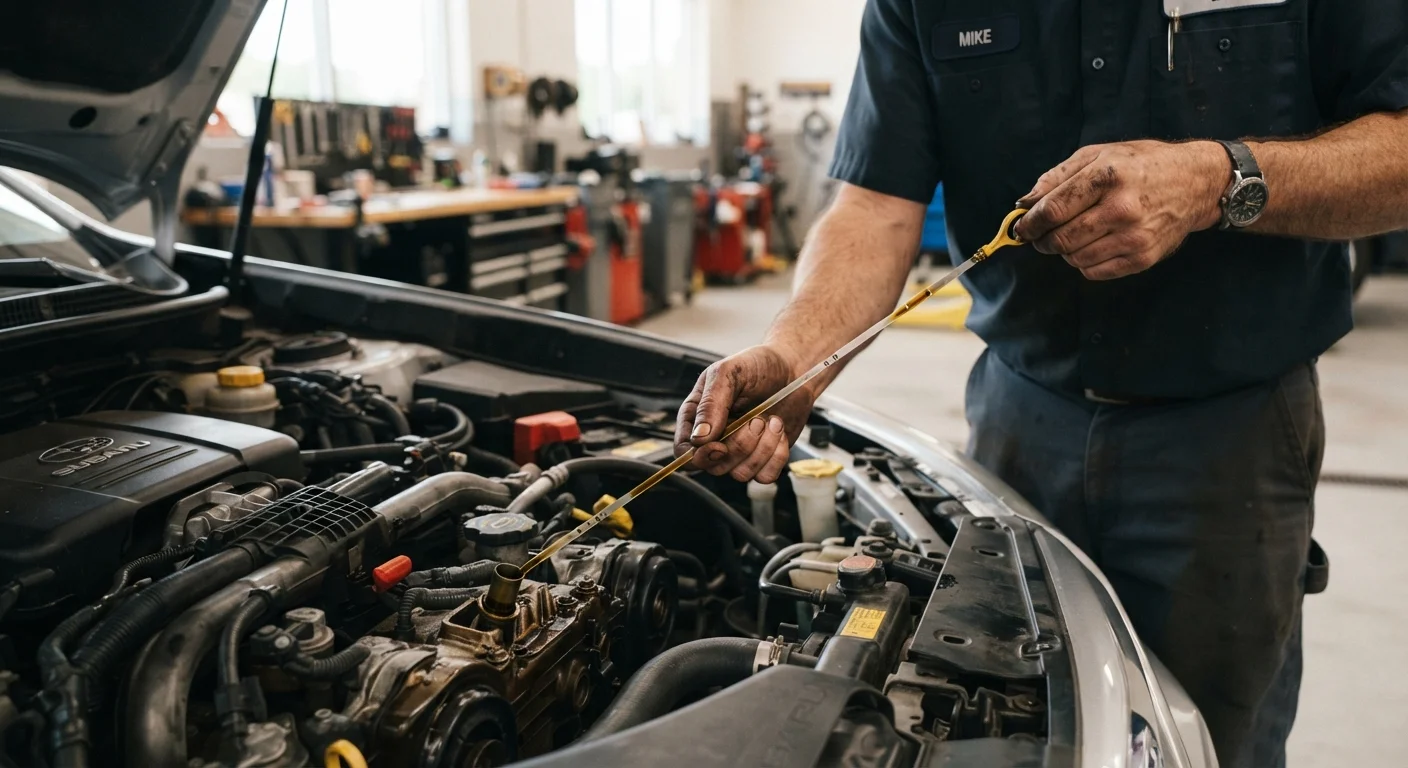
Photo: SummarizedReads.net | Just Read It! editorial
—— In This Article
Key Takeaways
- Following your owner's manual service intervals is more reliable than rule-of-thumb advice.
- Catching small issues early typically costs far less than repairing major failures later.
- Many basic checks-tire pressure, fluid levels, lights-can be done at home in minutes.
- Keeping maintenance records helps you track service history and can support resale value.
- Not every job suits a DIY approach; knowing the line protects both your car and your safety.
Why a Framework Beats a Checklist
Most drivers know they're supposed to maintain their cars. Fewer do it consistently. The gap isn't knowledge-it's structure. A one-time checklist gets forgotten; a repeatable framework becomes habit. The goal here is to give you a practical system, not a wall of tasks that feels impossible to keep up with.
Reliable vehicles aren't built on luck or expensive garage visits. They're the product of small, regular actions done before problems develop. If you're new to car ownership, this foundational guide covers the essential tasks to understand first. For experienced drivers, what follows is a framework to sharpen and systematize what you already know.
“The most expensive repair is usually the one that could have been prevented. Vehicles don't suddenly fail-they send signals for weeks or months before a breakdown. Paying attention to those signals is the whole game.”
— Mike Allen, Senior automotive editor and longtime contributor to Popular Mechanics
Core Maintenance Practices Worth Building Into Your Routine
The practices below reflect broadly accepted guidance from automotive engineers and professional mechanics. They're ordered by impact, not by frequency. Always cross-reference with your vehicle's owner's manual-manufacturer specifications override general advice.
Follow your owner's manual service intervals, not generic mileage rules.
Manufacturer intervals are engineered specifically for your engine, transmission, and fluid types. Generic advice-like 'change oil every 3,000 miles'-often doesn't reflect modern synthetic oil capabilities and can lead to unnecessary spending or, conversely, under-servicing.
Check tire pressure monthly and before any long drive.
Tires lose roughly 1 PSI per month under normal conditions, and pressure drops further in cold weather. Underinflated tires increase fuel consumption, wear unevenly, and reduce handling precision-all of which have real cost and safety implications.
Inspect fluid levels-oil, coolant, brake fluid, and transmission fluid-at least every 3,000 miles or monthly.
Fluid levels are early indicators of leaks or mechanical wear. Catching a slow coolant leak before it causes overheating, or low brake fluid before it affects stopping distance, is dramatically less expensive than the repairs those failures require.
Replace cabin and engine air filters on schedule.
A clogged engine air filter restricts airflow to the engine, which can reduce fuel efficiency and performance over time. Cabin air filters affect air quality inside the vehicle and HVAC system efficiency. Both are inexpensive parts with straightforward replacement on most vehicles.
Keep a simple maintenance log for every service performed.
A written or digital record of oil changes, tire rotations, and repairs helps you track intervals accurately, avoid duplicate services, and demonstrate proper care if you sell the vehicle. It also helps mechanics diagnose problems faster when they have a service history to reference.
Worth noting: not every maintenance task is appropriate for every driver to handle at home. Knowing which jobs to hand off to a mechanic is just as valuable as knowing which ones you can handle yourself.
Quick Wins You Can Act On Today
Some of the highest-value maintenance habits take under five minutes and require no tools. These quick wins close the gap between knowing and doing-start here if you haven't already.
Before any long drive, run through a focused set of vehicle checks. Our guide on pre-trip vehicle checks walks through exactly what to look at and when to involve a professional.
Avoiding the Mistakes That Cost Drivers Most
Some of the most expensive repair bills start with skipped maintenance-but others start with following outdated advice that no longer applies to modern vehicles. Conventional wisdom around oil change intervals, for instance, has shifted significantly as engine technology and synthetic oils have evolved.
~$1,200
Average annual vehicle maintenance and repair cost per driver
According to AAA's annual Your Driving Costs study, routine upkeep and unexpected repairs together represent a significant share of total vehicle ownership expenses.
35%
Fuel efficiency loss from severely underinflated tires
The U.S. Department of Energy estimates that tires underinflated by just 1 PSI can reduce fuel economy by around 0.2%, with larger deficits compounding the effect across all four tires.
A good framework accounts for what not to do as much as what to do. Common maintenance myths that cost drivers money is worth reading alongside this article to round out the picture.
Use Your Owner's Manual as a Reference, Not a Backup
Most owner's manuals live in the glove box and are almost never opened. Treat yours as your primary maintenance reference-it contains interval schedules, fluid specifications, and tire pressure recommendations specific to your vehicle. Digital versions are often available free through manufacturer websites if the physical copy is missing.
This article provides general vehicle maintenance information for educational purposes. Always consult a qualified mechanic for diagnosis, repairs, or guidance specific to your vehicle's make, model, and condition.

Auto Editorial Team
Auto Editorial Team is the collective byline for our editorial team and contributor network. Articles published under this byline or an editorial pen name are researched, written, and reviewed according to our editorial standards for clarity, consistency, and independence before publication.
View author profile