
DIY Car Maintenance vs. Taking It to a Mechanic
Some jobs are straightforward for a capable home mechanic. Others carry real risk if done incorrectly. Here's how to tell the difference.
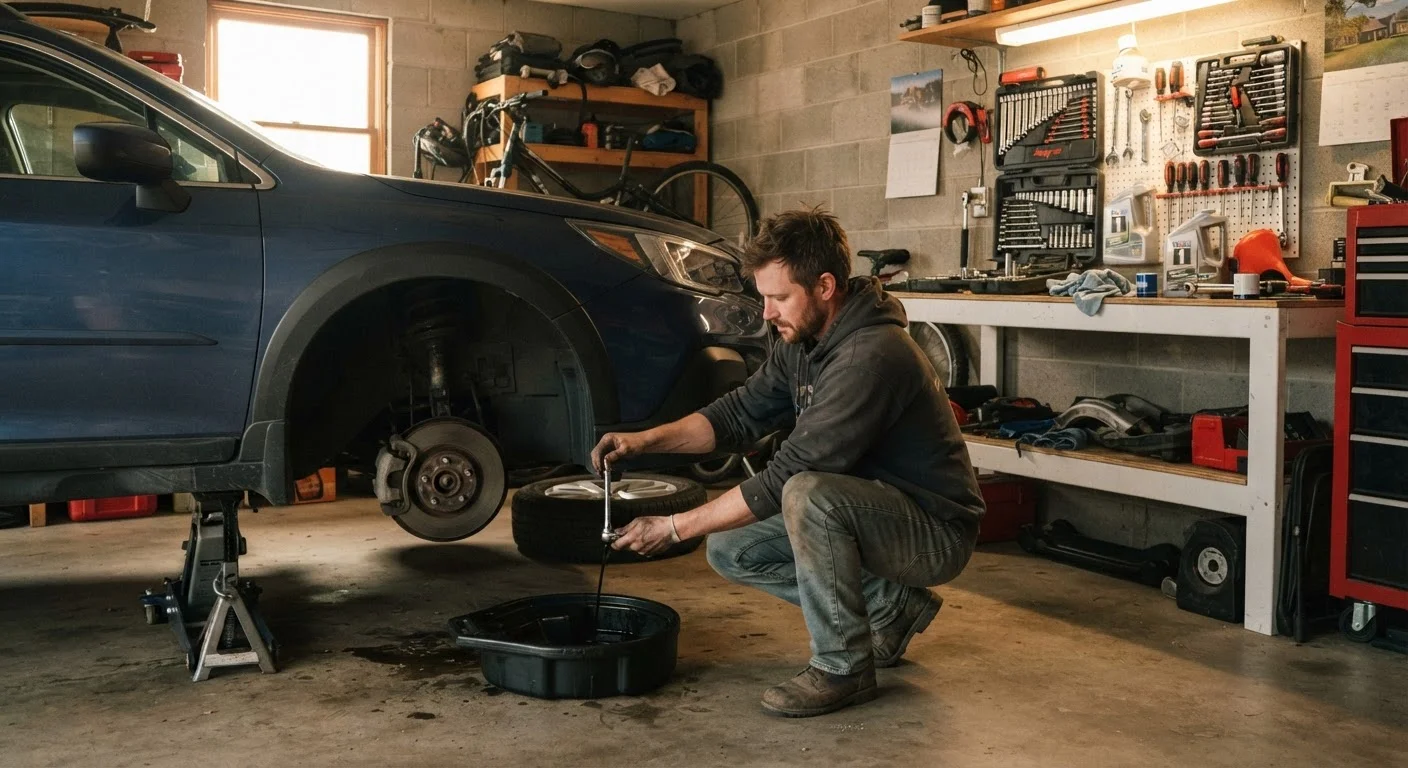
Photo: SummarizedReads.net | Just Read It! editorial
—— In This Article
Key Takeaways
- Simple maintenance tasks like air filter swaps and wiper replacements are genuinely manageable for most drivers.
- Jobs involving brakes, suspension, or electrical systems carry real safety risk if done incorrectly-professional help is often warranted.
- Weighing tool costs, time, and skill level honestly is more useful than assuming DIY always saves money.
- Skipping any maintenance, whether DIY or professional, tends to compound costs over time.
- Your owner's manual is the most reliable guide for service intervals specific to your vehicle.
The Real Cost Calculation
The appeal of DIY car maintenance is straightforward: labor typically accounts for a significant share of any shop invoice. A straightforward oil change that costs $15-$30 in materials might carry a total shop price of $60-$100 or more, depending on location and vehicle type. Do four of those a year, and the arithmetic looks compelling.
But the calculation isn't always that clean. Factor in the cost of tools you don't yet own, the time investment, and the possibility of an error that creates a larger repair bill, and the genuine savings can narrow quickly. Common maintenance myths can also skew how drivers assess what actually needs doing and how often.
The most honest approach is task-by-task. Some jobs are genuinely simple. Others are deceptively complex, and the consequences of getting them wrong range from inconvenient to dangerous.
~35-50%
Share of a typical shop invoice that is labor
Labor costs vary by region, shop type, and job complexity, but consistently represent a substantial portion of repair bills according to industry estimates.
1 in 3
Drivers who have attempted a DIY car repair
Consumer surveys on vehicle ownership habits suggest a significant share of US drivers have performed at least basic maintenance tasks themselves.
What Most Drivers Can Handle Themselves
A range of maintenance tasks requires minimal tools, carry low safety risk if done incorrectly, and have clear instructions in most owner's manuals or manufacturer documentation. These include:
- Engine air filter replacement - typically a matter of unclipping a housing and swapping the filter. Most vehicles make this accessible without lifting the car.
- Cabin air filter replacement - usually located behind the glove box or under the dashboard; again, no special tools required.
- Wiper blade replacement - straightforward on most vehicles, with the new blades typically including fitting instructions.
- Topping off fluids - windshield washer fluid, and checking (not necessarily changing) coolant and brake fluid levels, is well within reach for most drivers.
- Battery terminal cleaning - removing corrosion from terminals with a wire brush and a baking soda solution is low-risk and can improve starting reliability.
- Oil changes - feasible for confident DIYers, though proper disposal of used oil is legally required and not always convenient.
For drivers new to vehicle ownership, understanding basic maintenance tasks is a useful starting point before attempting any hands-on work.
Start With Your Owner's Manual
Before attempting any DIY task, check your vehicle's owner's manual for the manufacturer's specific procedure and required specifications-oil viscosity, filter part numbers, torque settings. Generic online instructions may not account for your vehicle's design. The manual is free, authoritative, and specific to your car.
Where to Draw the Line
Some tasks fall into a different category-not because they're impossible for a home mechanic, but because the margin for error is narrow and the consequences of mistakes are serious.
Brake system work is the most commonly cited example. Replacing brake pads is achievable for experienced DIYers, but bleeding brake lines, replacing calipers, or diagnosing a soft pedal involves hydraulic systems where errors can directly compromise stopping ability. This is a case where professional verification is worth serious consideration.
Suspension and steering components similarly affect how the vehicle handles. Worn tie rods or ball joints that are improperly installed can fail unpredictably. Alignment-required after most suspension work-needs specialized equipment that isn't available in a home garage.
Electrical diagnostics on modern vehicles often require a scan tool that can communicate with the vehicle's computer. Reading a generic OBD-II code is accessible; interpreting a complex fault across interconnected systems generally is not. Understanding what a mechanic's estimate covers can help you assess whether a quoted repair is reasonable before you authorize the work.
Don't Guess on Safety-Critical Systems
Brakes, steering, and suspension components directly affect vehicle control. If you're not confident a repair has been done correctly, have it verified by a qualified mechanic before driving-especially at highway speeds. An error in these systems can cause loss of vehicle control, creating risk for you and others on the road.
Comparing the Two Approaches
The table below summarizes how DIY and professional service compare across practical dimensions most drivers care about.
| DIY Maintenance | Professional Mechanic | |
|---|---|---|
| Upfront cost | Lower parts cost; tool investment varies | Higher total cost; includes labor |
| Time required | Variable; longer for unfamiliar tasks | Generally faster with proper equipment |
| Safety risk (simple tasks) | Low for routine, well-documented jobs | Minimal; professional accountability |
| Safety risk (complex repairs) | Significant if done incorrectly | Lower with qualified technician |
| Diagnostic capability | Limited without specialized scan tools | Full diagnostic equipment available |
| Learning value | High; builds long-term knowledge | None; work is outsourced |
| Error consequences | Can escalate costs or create hazards | Typically covered by warranty or rework |
Neither column wins outright across every category. The decision is more useful when made job by job rather than as a blanket policy. A driver who handles their own air filters and wiper blades every season while sending brake and suspension work to a professional is making a rational, safety-conscious choice-not an inconsistent one.
Deferred maintenance in either camp tends to compound. A small fluid leak ignored long enough becomes an engine or transmission problem. How small repairs become large bills is worth understanding regardless of who does the work.
Making the Hybrid Approach Work
Most drivers land somewhere between full DIY and full reliance on a shop-and that's a sensible place to be. A few practical habits help this approach function well:
- Use your owner's manual as the authority on service intervals, not general internet advice or shop recommendations that may not match your vehicle's actual requirements.
- Build skills incrementally. Starting with an air filter or wiper blades before attempting an oil change is a reasonable progression. Each job teaches you more about your specific vehicle.
- Price out the full cost of any DIY job-parts, tools you don't own, and disposal costs-before assuming it's cheaper than a shop visit.
- Don't skip safety-critical inspections because you're handling other maintenance yourself. Having a professional inspect brakes and suspension annually is a low-cost safety check even if you do everything else yourself.
Before long drives especially, a pre-trip check routine helps catch issues before they become roadside problems. And a consistent maintenance framework is what separates vehicles that stay reliable from those that don't-regardless of who performs the work.

Auto Editorial Team
Auto Editorial Team is the collective byline for our editorial team and contributor network. Articles published under this byline or an editorial pen name are researched, written, and reviewed according to our editorial standards for clarity, consistency, and independence before publication.
View author profile