
Routine Checks Every Driver Should Know Before a Long Road Trip
Before you set off on a long drive, these are the vehicle checks worth doing yourself—and the ones worth having a qualified mechanic look at first.
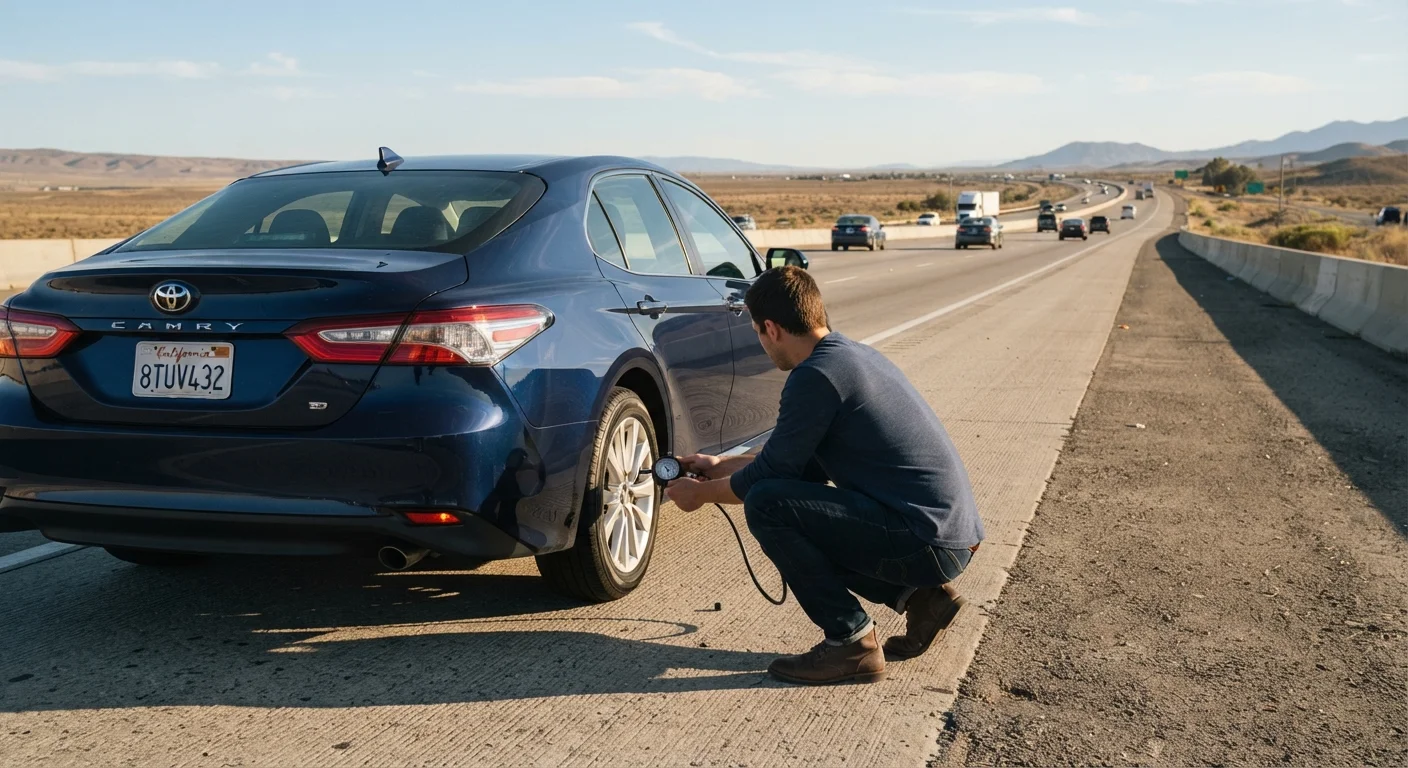
Photo: SummarizedReads.net | Just Read It! editorial
—— In This Article
Key Takeaways
- Most pre-trip vehicle checks can be done at home in under an hour with basic tools.
- Tires, fluids, brakes, and lights are the four areas that cause the most preventable road-trip breakdowns.
- Some checks-especially brakes and suspension-are safer to hand off to a qualified mechanic.
- Addressing issues before you leave is almost always cheaper than roadside repairs.
- Carry an emergency kit regardless of how thorough your pre-trip check is.
Why Pre-Trip Checks Actually Matter
A breakdown 200 miles from home costs far more-in time, money, and stress-than catching the same problem in your driveway. According to roadside assistance data, a significant share of service calls involve issues that a basic pre-departure inspection would have flagged: flat or underinflated tires, dead batteries, and low fluids top the list consistently.
This checklist is organized into what you can reasonably do yourself and what warrants a professional look. For a broader picture of where DIY ends and mechanic territory begins, see our guide on DIY car maintenance vs. taking it to a mechanic.
Tires
Fluids
Lights and Visibility
Battery and Belts
Brakes and Suspension (Mechanic-Recommended)
Emergency Kit and Documents
Tools and Resources You'll Want on Hand
You don't need a fully equipped garage to run through this checklist. A handful of inexpensive items cover the vast majority of what's listed here.
Tire pressure gauge
Accurately measures PSI in each tire so you can inflate to the manufacturer's recommended level.
Flashlight or headlamp
Allows you to inspect under the hood, check fluid levels, and examine tires in low-light conditions.
Microfiber cloth
Useful for wiping dipsticks clean and polishing mirrors and lights for clear visibility.
Portable jump starter pack
Lets you restart a dead battery without needing another vehicle-valuable on remote routes.
Owner's manual
Provides model-specific fluid specifications, service intervals, and tire pressure ratings for your vehicle.
For a deeper dive into what each fluid does and how to read the indicators, our article on the six fluids your car relies on is worth reviewing beforehand.
Before You Hit the Road: Final Reminders
Don't Ignore Warning Lights Before Departing
If a warning light appears during your pre-departure startup-especially the check engine, oil pressure, battery, or brake warning-do not assume it's a sensor glitch and drive anyway. These lights can indicate conditions that worsen rapidly under highway load. Have the code read at an auto parts store or by a mechanic before heading out; many will do this at no charge.
Brake Concerns Require Professional Assessment
Brake inspection goes beyond what most drivers can safely self-assess. Pad thickness, rotor condition, and hydraulic integrity require proper tools and expertise to evaluate accurately. If you notice any brake-related symptoms-noise, pulsation, or a soft pedal-treat it as a mechanic visit before departure, not a post-trip follow-up.
Once you've worked through the physical checks, take five minutes to scan your dashboard before pulling out of the driveway. Any warning light that wasn't there before deserves attention-don't assume it will resolve itself. Our reference guide on dashboard warning lights and what they mean explains which lights can wait and which require immediate action.
If your trip also involves flight, ferry, or other transit legs, the pre-trip safety and comfort checklist covers the non-vehicle side of departure prep.
This article is for general informational purposes only and does not constitute professional mechanical advice. For any safety-critical concern, consult a qualified mechanic before driving.

Auto Editorial Team
Auto Editorial Team is the collective byline for our editorial team and contributor network. Articles published under this byline or an editorial pen name are researched, written, and reviewed according to our editorial standards for clarity, consistency, and independence before publication.
View author profile