
How Neglecting Small Repairs Turns Into Large Bills
A worn wiper blade or low coolant might seem minor. Understand the chain reaction that deferred maintenance sets off and how to break the cycle.
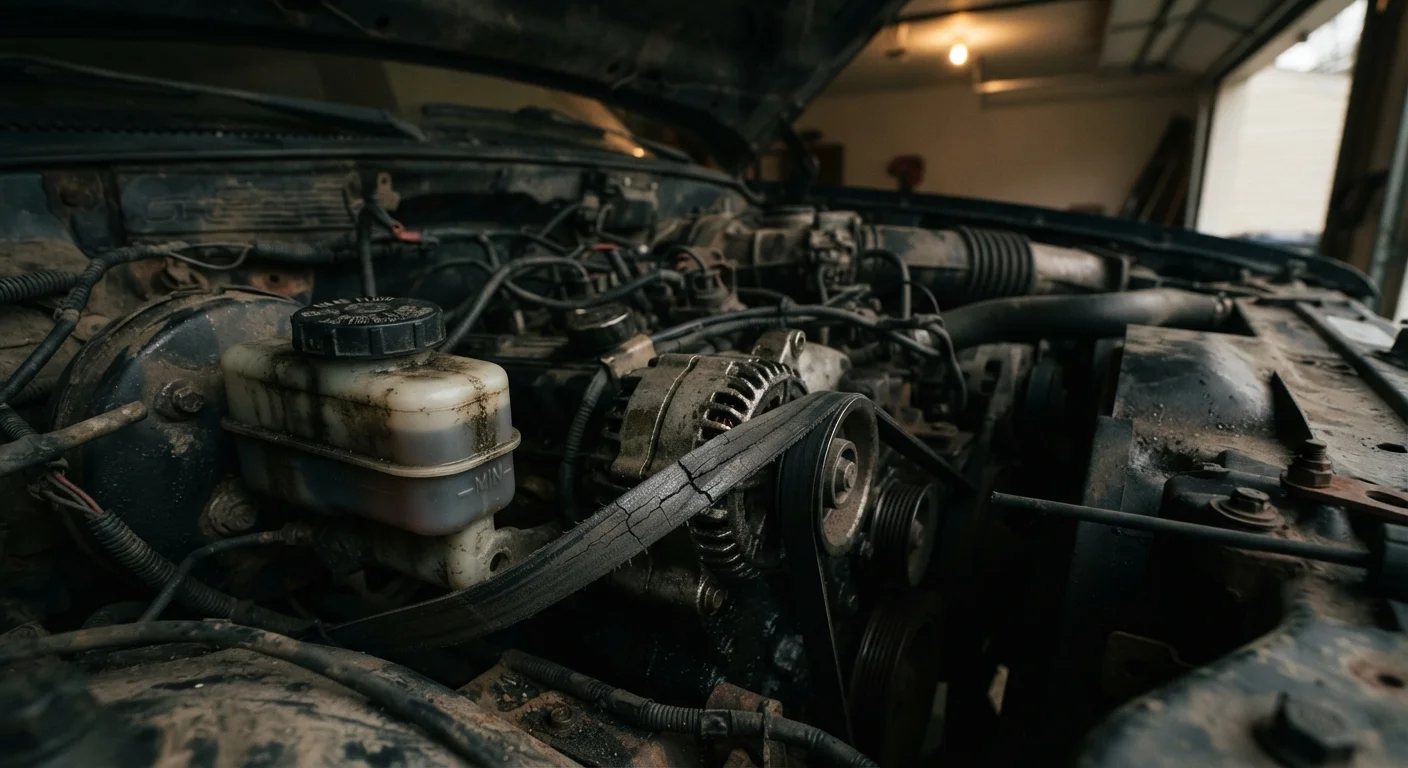
Photo: SummarizedReads.net | Just Read It! editorial
—— In This Article
Key Takeaways
- Deferred maintenance rarely stays cheap - small issues compound into expensive system failures.
- Most escalation follows a predictable chain: one failing part stresses connected components.
- Routine checks costing little or nothing can prevent repairs running into hundreds of dollars.
- Understanding why delays happen helps drivers break the pattern before damage accumulates.
Why Small Problems Don't Stay Small
A minor vibration, a faint burning smell, a windshield wiper that skips - these feel easy to postpone. Life is busy, budgets are tight, and nothing has broken yet. But vehicles are interconnected systems, and stress on one component reliably migrates to the next. A worn serpentine belt, for example, drives the alternator, water pump, and power steering pump simultaneously. When the belt fails, it doesn't just leave you stranded - it can take those ancillary systems with it, turning a $30 belt replacement into a repair bill that easily exceeds $500.
This chain reaction is the central mechanic behind deferred-maintenance costs. It isn't about bad luck; it's about physics. Friction increases, heat builds, tolerances tighten, and materials degrade faster than they would under normal operating conditions. Understanding that pattern is the first step toward breaking it.
For a broader framework on keeping your vehicle reliable long-term, see a maintenance framework that actually works.
The Real Costs of Waiting
Repair costs scale non-linearly with delay. A coolant leak caught early might require a new hose clamp or a topped-off reservoir. Left unaddressed, low coolant leads to overheating, which can warp a cylinder head - a repair that commonly runs $1,000-$2,000 or more depending on the engine. Brake pad replacement typically costs $150-$300 per axle; grinding pads into bare rotors adds rotor replacement to that bill, often doubling the cost.
~$1,200
Average annual vehicle repair cost per household
AAA research consistently finds that unexpected vehicle repair and maintenance costs average around $1,200 per year per household, much of which stems from deferred service.
2x-4x
Cost multiplier when repairs are delayed
Industry estimates from repair data suggest that allowing secondary component damage from a primary failure commonly doubles to quadruples the original repair cost.
The pattern repeats across nearly every system: oil that runs low damages bearings; a failing thermostat causes the engine to run hot or cold, stressing gaskets; a cracked CV axle boot, cheap to replace when caught, becomes a full axle replacement once grit destroys the joint inside.
If you're ever unsure how to interpret what a shop tells you about these issues, reading a mechanic's estimate without feeling lost explains what each line item actually means.
Overheating Is a Stop-Now Emergency
If your temperature gauge moves into the red or an overheat warning appears, pull over safely as soon as possible and shut off the engine. Driving even a short distance while overheating can warp cylinder heads or crack the engine block - repairs that may exceed the vehicle's value. Do not remove the radiator cap while the engine is hot. Have the vehicle towed and inspected by a qualified mechanic before driving again.
Building Habits That Cut Future Costs
Consistency matters more than perfection. A monthly under-hood visual check - fluid levels, belt condition, obvious leaks - takes under five minutes and catches a significant share of developing problems before they escalate. Tire pressure checks (including the spare) reduce uneven wear and improve fuel economy. Following the maintenance schedule in your owner's manual, rather than generic internet advice, is one of the most reliable cost-control moves available to any driver.
Some tasks are genuinely straightforward for a capable home mechanic; others carry real risk if done incorrectly. DIY car maintenance vs. taking it to a mechanic lays out how to tell the difference honestly. And if you've absorbed advice like "change oil every 3,000 miles" as gospel, it's worth checking car maintenance myths that are costing drivers money - some widely repeated guidance is outdated and may cost more than it saves.
Your Owner's Manual Overrides Generic Advice
The maintenance schedule printed in your vehicle's owner's manual is engineered for your specific engine, transmission, and operating conditions. Generic intervals circulating online or at service counters may not match your vehicle's actual requirements. Following the manufacturer's schedule - rather than industry generalisations - is the single most reliable way to maintain your warranty coverage and avoid premature wear.
This article is for general informational purposes only. For diagnosis or repairs, consult a qualified, licensed mechanic. Costs cited are illustrative ranges and will vary by vehicle, region, and shop.

Auto Editorial Team
Auto Editorial Team is the collective byline for our editorial team and contributor network. Articles published under this byline or an editorial pen name are researched, written, and reviewed according to our editorial standards for clarity, consistency, and independence before publication.
View author profile