
Synthetic vs Conventional Motor Oil: Which Should You Be Using?
The debate between synthetic and conventional oil is older than most modern engines. Here's an honest look at performance, cost, and when each makes sense.
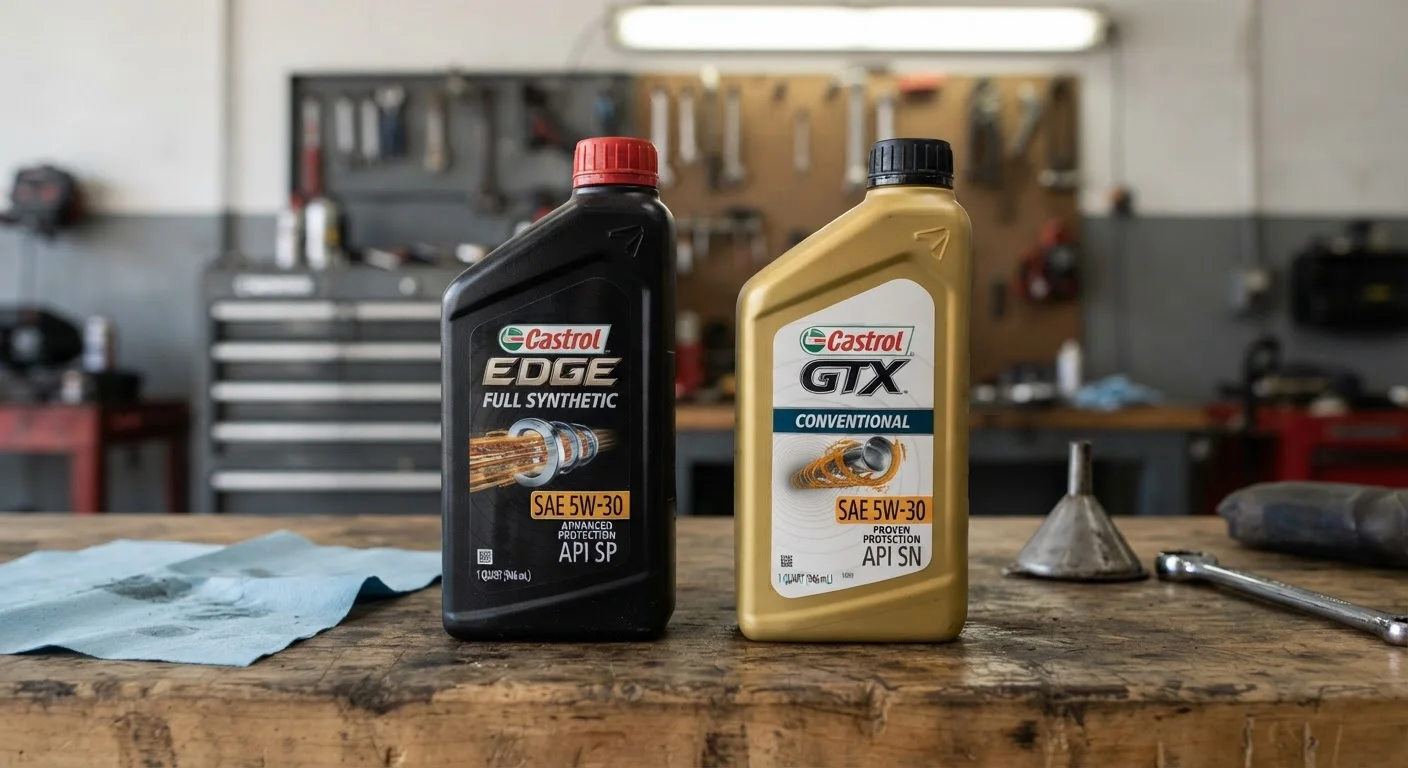
Photo: SummarizedReads.net | Just Read It! editorial
—— In This Article
Key Takeaways
- Synthetic oil generally outperforms conventional oil in temperature extremes and engine protection, but costs more per quart.
- Your owner's manual is the definitive source for which oil type your engine actually requires.
- Switching from conventional to synthetic in a high-mileage engine can sometimes reveal existing seal leaks.
- Longer change intervals with synthetic oil can offset its higher upfront cost over time.
- Many modern engines are factory-filled and designed specifically for full synthetic oil.
What Makes These Oils Different
Conventional motor oil is refined directly from crude oil. It contains naturally occurring molecules of varying sizes and shapes, along with additive packages to improve performance. Synthetic oil, by contrast, is chemically engineered - its molecules are uniform in size and structure, which gives it more predictable behavior under stress.
This structural difference matters at a practical level. Synthetic oil flows more readily at cold temperatures, which reduces engine wear during the critical first seconds after startup. It also resists thermal breakdown at high operating temperatures longer than conventional oil typically can. Neither type eliminates the need for regular oil changes, but the gap between them in performance consistency is real and measurable under demanding conditions.
There's also a middle ground: synthetic blend oils, which mix conventional base stock with synthetic components. They're priced between the two and offer some - but not all - of the performance benefits of full synthetic.
| Criterion | Synthetic Motor Oil | Conventional Motor Oil |
|---|---|---|
| Base source | Chemically engineered base stock | Refined crude oil |
| Cold-start performance | Flows readily in low temps | Thickens more in cold weather |
| High-temp stability | Resists breakdown longer | Degrades faster under heat |
| Typical change interval | 7,500-10,000+ miles (varies by vehicle) | 3,000-5,000 miles (varies by vehicle) |
| Cost per quart (approx.) | $7-$13+ | $3-$6 |
| Required by modern engines | Often yes (check manual) | Rarely in newer vehicles |
| Environmental waste oil volume | Less frequent changes, less waste | More frequent changes, more waste |
The Real Cost Comparison
The price gap between synthetic and conventional oil is noticeable at the register. Full synthetic oil typically runs two to four times more per quart than conventional. For a five-quart oil change, that difference can add up to $30 or more before labor.
However, cost-per-change isn't the whole picture. Synthetic oil generally supports longer drain intervals. If conventional oil requires a change every 5,000 miles and synthetic every 10,000, you're running roughly half as many changes per year - which can offset the price premium over time. That said, this math only holds if you follow your vehicle's actual recommendations, not marketing claims on the bottle.
~2-4×
Higher cost per quart vs. conventional
Industry pricing data consistently shows full synthetic oil running significantly more per quart, though formulation and brand vary widely.
10,000 mi
Common synthetic change interval guideline
Many vehicle manufacturers specify 7,500-10,000-mile intervals for full synthetic, compared to 3,000-5,000 miles often cited for conventional oil.
It's also worth factoring in oil filter costs and labor if you use a shop. As noted in our guide to DIY vs. mechanic oil changes, doing it yourself can significantly reduce the per-change cost regardless of which oil you choose.
When Your Owner's Manual Settles the Debate
Many drivers assume they have a free choice between oil types. In practice, the vehicle manufacturer often makes that call for you. Late-model engines - particularly turbocharged and direct-injection designs - are engineered to run on full synthetic and may not be adequately protected by conventional oil. Running the wrong viscosity or base stock in these engines isn't a minor optimization issue; it's a maintenance error.
For older vehicles, the situation can be more nuanced. Some mechanics caution against switching a high-mileage engine that has run on conventional oil its whole life to full synthetic, since synthetic's superior cleaning properties can loosen deposits and expose small seal leaks that were previously masked. This isn't a universal outcome, but it's a reason to consult a trusted mechanic before switching on a vehicle with significant miles.
The persistent myth that you need an oil change every 3,000 miles regardless of oil type is worth addressing directly. Our article on common car maintenance myths covers this in detail - most modern vehicles, especially those running synthetic oil, can go considerably further between changes without engine harm.
If you're weighing the broader economics of maintaining an aging vehicle versus buying newer, the new vs. used car tradeoff analysis offers useful context. And for those curious about whether extending oil change intervals is actually safe for your engine, see our extended oil change intervals breakdown.
API and ILSAC Ratings Matter Too
Beyond synthetic vs. conventional, motor oil is rated by industry bodies like the American Petroleum Institute (API) and the International Lubricant Standardization and Approval Committee (ILSAC). Your owner's manual will specify a rating (such as API SP or ILSAC GF-6) that the oil must meet regardless of type. Always verify both the viscosity grade and the certification rating match your vehicle's requirements - not just whether the oil is synthetic or conventional.

Auto Editorial Team
Auto Editorial Team is the collective byline for our editorial team and contributor network. Articles published under this byline or an editorial pen name are researched, written, and reviewed according to our editorial standards for clarity, consistency, and independence before publication.
View author profile