
What to Check Before an Appliance Delivery Arrives
Delivery day goes wrong more often than it should. Use this checklist to verify measurements, access routes, utilities, and disposal arrangements in advance.
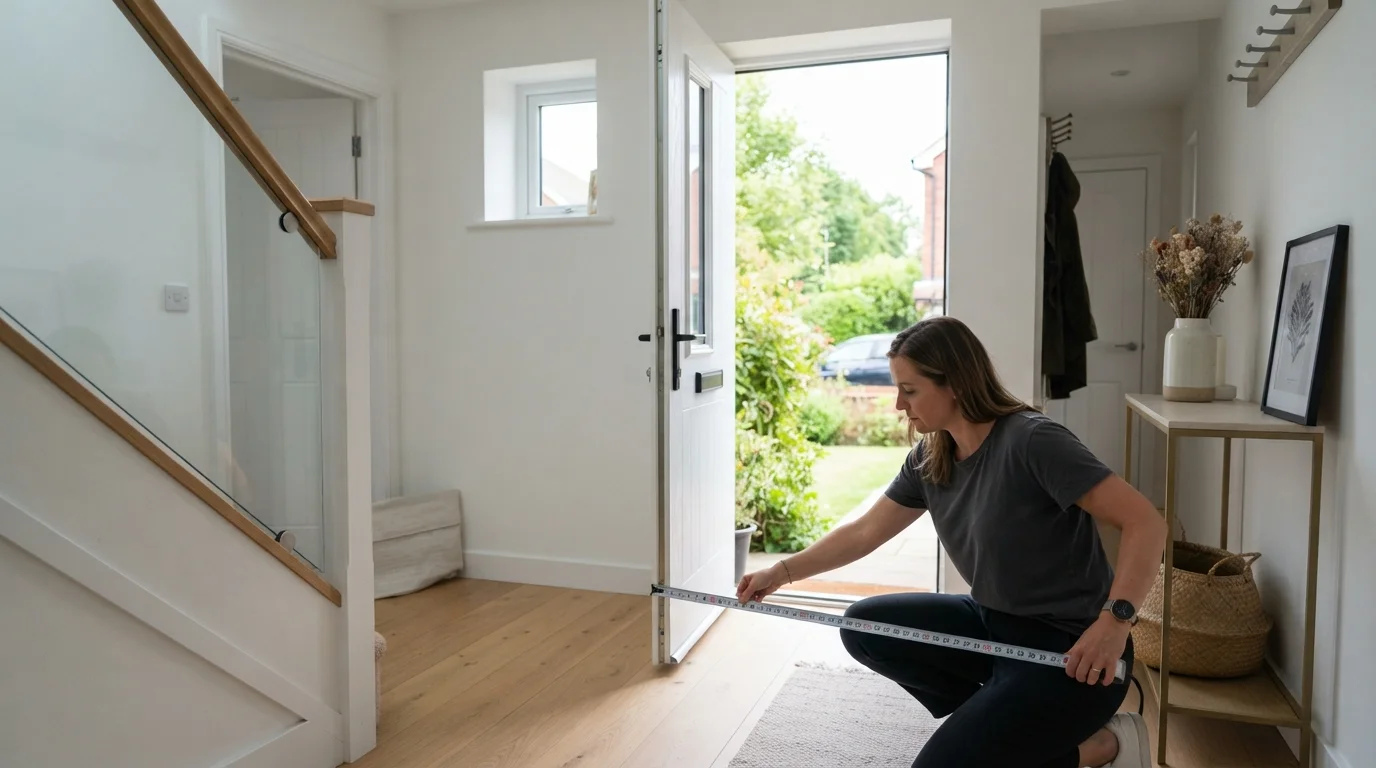
Photo: SummarizedReads.net | Just Read It! editorial
—— In This Article
Key Takeaways
- Measure every doorway, hallway, and stairwell on the delivery path - not just the appliance's final space.
- Confirm utility hookup requirements (outlet type, gas shutoff, water line) before the crew arrives.
- Arrange old appliance removal and disposal before delivery day to avoid last-minute scrambling.
- Review your order confirmation and warranty documents at least 48 hours ahead of delivery.
- Clear the delivery path and protect floors the morning of the scheduled arrival.
Why Delivery Day Goes Wrong
A surprising number of appliance deliveries hit avoidable snags: the refrigerator won't clear the front door, the dryer needs a 240-volt outlet that isn't there, or the crew can't take the old unit because no one arranged it in advance. These problems delay your installation, sometimes cost extra fees, and occasionally mean the appliance goes back on the truck.
The good news is that every one of these issues is preventable. This checklist walks you through the four areas that matter most - measurements, access, utilities, and paperwork - so you can work through them in a single afternoon before your delivery window opens.
Once the appliance is in place, keeping it running well is the next step. Our guide to routine appliance maintenance covers the upkeep steps that make the biggest difference over time.
Tape measure (25-foot)
Measure doorways, hallways, stairwells, and the installation space accurately.
Appliance spec sheet or owner's manual
Provides exact dimensions including handles, hinges, and required clearances.
Smartphone or notepad
Record measurements and compare them against appliance dimensions on the spot.
Moving blankets or cardboard sheets
Protect floors along the delivery path from scratches and scuffs.
Voltage tester or outlet checker
Verify outlet type and confirm power is live at the installation location before the crew arrives.
Measurements and Access Route
Appliance specs list the unit's final dimensions, but delivery crews have to get it there first. Measure every chokepoint along the entire path from the street to the installation spot.
Measurements
Utility and Hookup Readiness
Order and Documentation
Day-of Preparation
A quick note on refrigerators with French doors or side-by-side configurations: the handle hardware sometimes adds 2-3 inches to the stated width. Confirm with your retailer whether handles are included in the listed dimensions or need to be removed for delivery.
Don't Rely Solely on the Product Page Dimensions
Retailer listings sometimes show dimensions without handles, hinges, or packaging. Always cross-reference the manufacturer's spec sheet or owner's manual for the full installed size. When in doubt, call the retailer's support line to clarify which dimensions are listed - it takes five minutes and can prevent a failed delivery.
Utilities, Hookups, and Disposal
Many installations stall because the utility connection isn't ready when the crew arrives. Delivery teams are typically authorized to make basic connections - sliding in a power cord, attaching a water supply line - but they won't rewire an outlet, cap a gas line, or run new plumbing. Those jobs require a licensed professional, and scheduling them in advance is your responsibility.
Gas and Electrical Work Requires a Licensed Professional
Delivery crews are not authorized - and should not be asked - to perform gas line connections, electrical panel upgrades, or new outlet installations. Attempting these yourself without the proper license or permits can violate local building codes and create serious safety hazards. Schedule a qualified electrician or plumber well before your delivery date if any utility work is needed.
On the disposal side, many retailers offer haul-away of the old appliance for a fee, but you usually need to opt in when you place the order, not on delivery day. Check your confirmation email now. If haul-away isn't included, research your municipality's bulk-item pickup rules or locate a certified appliance recycler - most refrigerants require proper handling under federal regulations.
Order Details and Day-of Preparation
Paperwork problems are easy to overlook in the excitement of getting a new appliance. Pull up your order confirmation 48 hours before delivery and verify the model number, color, and included accessories match exactly what you ordered. Confirm the delivery window and the retailer's policy if the crew arrives outside that window.
The morning of delivery, clear the full access path - move furniture, roll up rugs, and prop open any doors that might swing closed. Lay down cardboard or moving blankets on hardwood or tile to protect floors from scratches and scuffs. Make sure someone age 18 or older is home for the entire window; most retailers won't leave an appliance without an adult signature.
If anything looks off when the unit arrives - visible dents, torn packaging, missing parts - note it on the delivery receipt before the crew leaves. Signing without noting damage can complicate a warranty or return claim later. For issues that surface after installation, our appliance troubleshooting guide can help you determine whether it's a simple fix or a service call.
Finally, file your warranty registration as soon as the appliance is installed. Most manufacturers require registration within 30 days, and using your appliance correctly from day one is one of the most reliable ways to protect that coverage.

Home Editorial Team
Home Editorial Team is the collective byline for our editorial team and contributor network. Articles published under this byline or an editorial pen name are researched, written, and reviewed according to our editorial standards for clarity, consistency, and independence before publication.
View author profile