
Getting the Most Out of Every Appliance You Own
From loading a dishwasher correctly to using your oven efficiently — proven habits that extend appliance life and improve day-to-day performance.
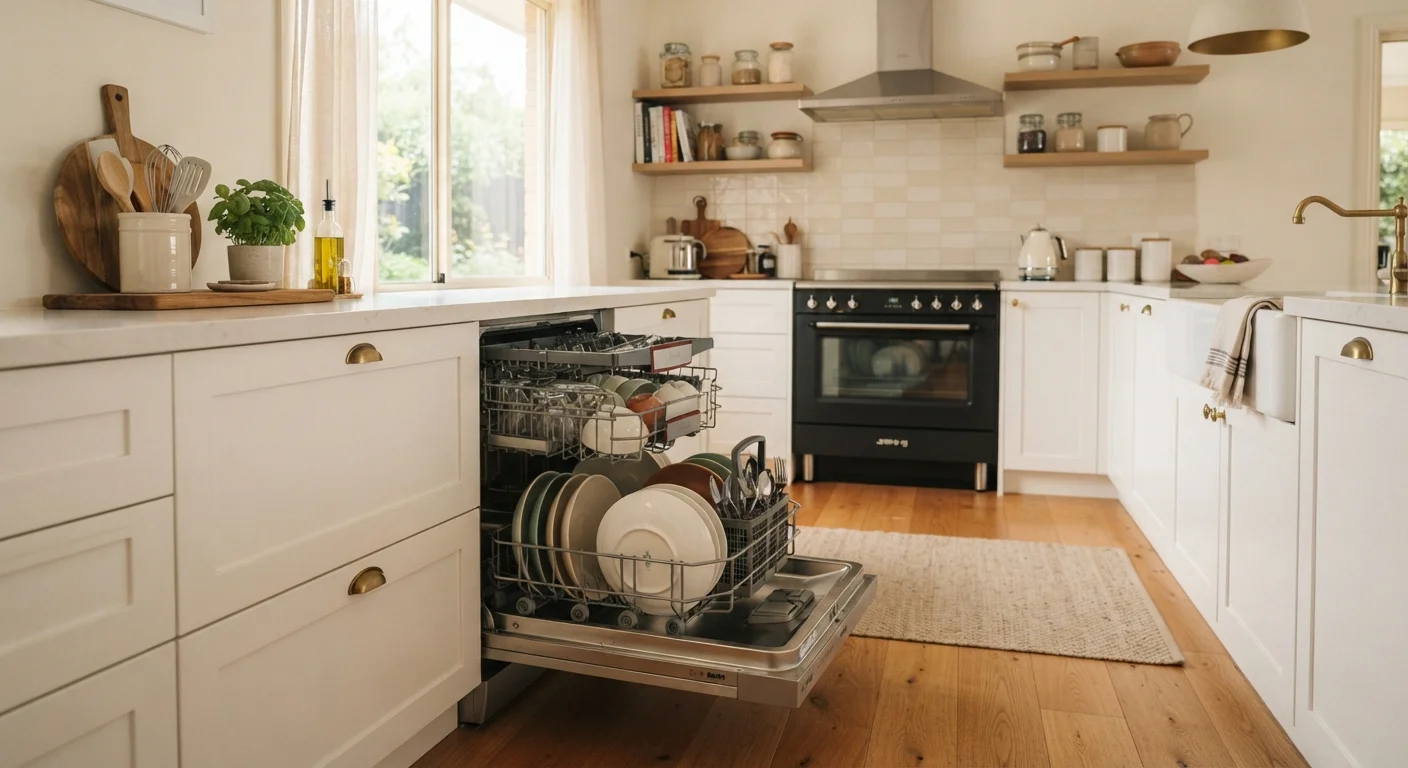
Photo: SummarizedReads.net | Just Read It! editorial
—— In This Article
Key Takeaways
- Using appliances correctly - not just frequently - is the single biggest driver of longevity.
- Most performance problems stem from avoidable habits like overloading, skipping filters, or ignoring seals.
- Routine maintenance tasks take minutes but can add years to an appliance's working life.
- Running appliances at full capacity and off-peak hours reduces energy use without sacrificing convenience.
Why How You Use an Appliance Matters as Much as Which One You Buy
Appliance longevity is rarely just a matter of build quality. Industry data consistently shows that user habits - how loads are sized, how often filters get cleaned, whether door seals are maintained - determine whether an appliance reaches or falls well short of its typical lifespan. For context on what those lifespans typically look like, see our appliance lifespan reference guide.
The good news is that the most impactful habits require no special tools or expertise - just consistency. The practices below apply across the most common household appliances and are grounded in how these machines actually work.
Check Your Owner's Manual First
Manufacturer guidelines vary more than most people expect - recommended load sizes, cleaning products, and cycle settings differ by model. Consulting your manual before forming habits around a new appliance takes only a few minutes and can prevent costly mistakes. If you've lost the paper copy, most manufacturers post downloadable PDFs on their websites.
Core Practices That Apply to Every Appliance
These six habits cover the appliances most households use daily. Each is actionable today and has a clear mechanical reason behind it - not just general advice to "take care of your things."
Load your dishwasher strategically, not just fully.
Overcrowding blocks water spray arms, leaving dishes dirty and forcing re-runs that waste water and energy. Angling dishes inward and keeping tall items away from the spray arm ensures every item gets properly cleaned in a single cycle.
Never run your refrigerator with a damaged or loose door seal.
A compromised gasket (the rubber seal around the door) forces the compressor to run almost continuously to maintain temperature, wearing it out prematurely and raising your electricity use noticeably. Seals are inexpensive and straightforward to replace.
Clean your washing machine drum and dispenser drawer monthly.
Detergent residue and moisture create conditions for mold and unpleasant odors that transfer to laundry. A monthly maintenance wash on a hot cycle with a machine-cleaning product (or plain white vinegar) keeps the drum hygienic and the wash results consistently fresh.
Use your oven's residual heat for the last few minutes of cooking.
Ovens retain significant heat for 10-15 minutes after being switched off. Turning off the oven slightly early and letting food finish in the retained heat wastes nothing and causes no difference in cooking outcomes for most dishes.
Clean your dryer's lint trap before every single load.
A clogged lint trap restricts airflow, forcing the dryer to run longer cycles to achieve the same result - which raises energy use and creates a genuine fire hazard. This is one of the highest-impact, lowest-effort maintenance steps in any home.
Descale kettles, coffee makers, and steam appliances regularly.
In areas with hard water, mineral deposits (limescale) build up on heating elements over time, reducing efficiency and eventually causing premature failure. Regular descaling with a diluted white vinegar solution or a purpose-made product maintains heating performance and extends the appliance's useful life.
For a broader look at the upkeep steps that tend to get skipped, our appliance maintenance guide covers the most commonly neglected tasks and why they matter.
Quick Wins You Can Do Today
If you want to start improving appliance performance immediately, these actions take five minutes or less and address some of the most common sources of unnecessary wear and wasted energy.
Running costs are often underestimated - the hidden costs of running household appliances adds up faster than most households realize, and better habits directly reduce that figure.
Efficiency and Longevity Go Hand in Hand
“Most appliance failures aren't sudden - they're the accumulated result of small, correctable habits. The machines that last are the ones that get used as designed.”
— Consumer Product Research Advisory, Home appliance industry research body
An appliance that's being overworked - whether it's a refrigerator with blocked coils or a dryer with a packed lint trap - doesn't just cost more to run. It wears out faster, and repairs can quickly approach the cost of replacement. Understanding what energy ratings actually mean can also help you set realistic expectations about running costs when comparing appliances.
If something doesn't seem right - unusual sounds, longer cycle times, unexplained temperature changes - it's worth investigating before the problem compounds. Our appliance troubleshooting basics walks through what to check safely before calling a technician.

Home Editorial Team
Home Editorial Team is the collective byline for our editorial team and contributor network. Articles published under this byline or an editorial pen name are researched, written, and reviewed according to our editorial standards for clarity, consistency, and independence before publication.
View author profile