
Energy Efficiency Upgrades That Actually Change Your Bills
From draught-proofing to insulation, this guide explains which improvements have the most meaningful impact on home energy use.
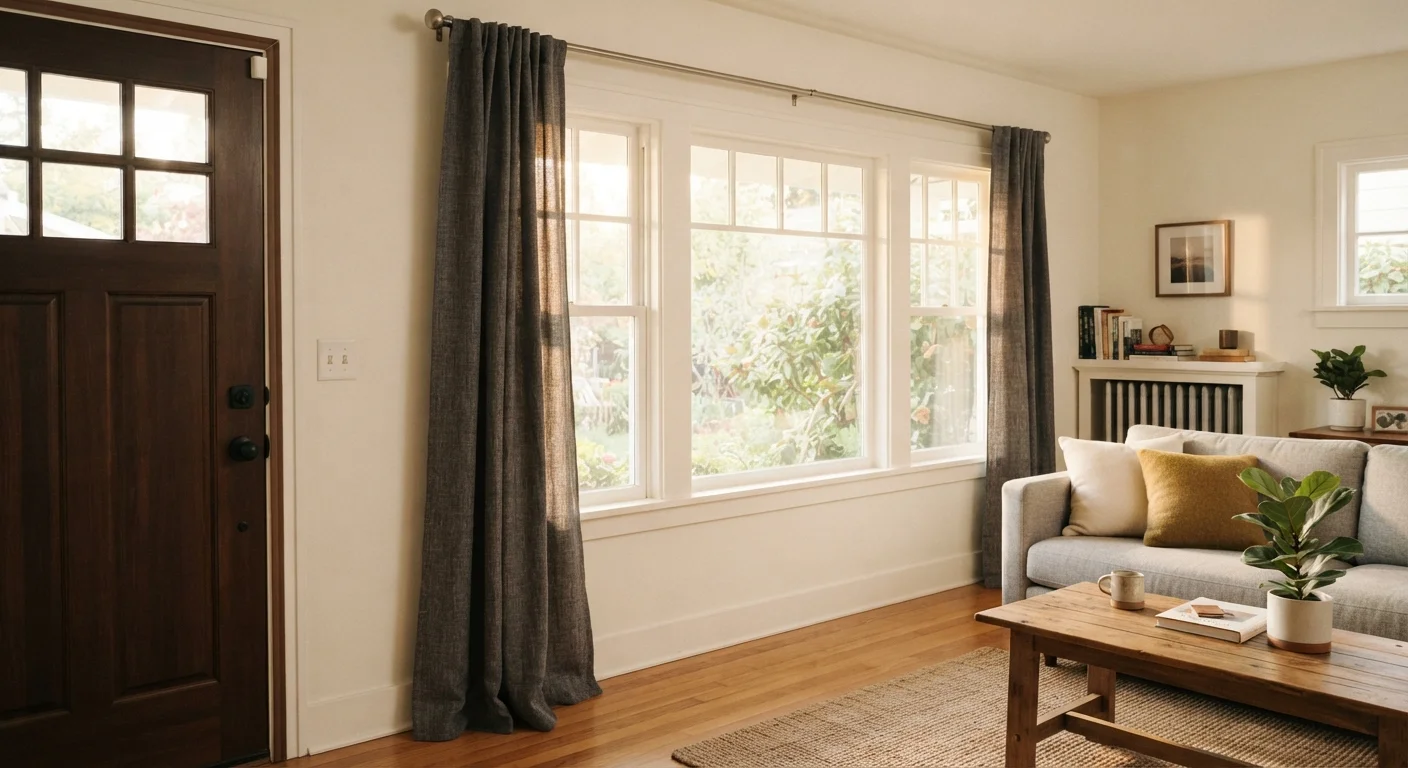
Photo: SummarizedReads.net | Just Read It! editorial
—— In This Article
Key Takeaways
- Air sealing and draught-proofing are typically the cheapest upgrades with the fastest payback.
- Attic insulation delivers among the highest energy savings relative to its cost.
- Heating and cooling systems account for roughly half of a typical home's energy use.
- Energy-efficient appliances compound savings when combined with behavioural changes.
- Prioritising upgrades by heat-loss location prevents wasted spending.
- A home energy audit helps identify the highest-impact improvements for your specific property.
Why Most Efficiency Upgrades Underperform
Energy efficiency improvements promise lower bills, but homeowners frequently spend money on upgrades that produce barely noticeable savings. The reason is usually sequencing: people replace appliances or install smart thermostats before addressing the underlying building envelope - the walls, roof, floor, windows, and doors that determine how quickly conditioned air escapes.
Think of it like filling a leaky bucket. A more powerful pump (a better furnace) will not help much if the holes remain. Fixing those holes first makes every subsequent upgrade work harder. This guide walks through the improvements with the most meaningful, measurable impact - starting with the lowest-cost interventions and building toward larger investments.
~35%
Home energy lost through air leakage
The U.S. Department of Energy estimates that air infiltration can account for up to 35% of heating and cooling energy losses in a typical house.
40-50%
Share of home energy used for heating and cooling
According to the U.S. Energy Information Administration's Residential Energy Consumption Survey, space conditioning consistently represents the largest portion of home energy use.
75%
Energy saved by switching from incandescent to LED bulbs
The U.S. Department of Energy reports that LED bulbs use approximately 75% less energy than comparable incandescent lighting.
Air Sealing and Draught-Proofing
Uncontrolled air leakage is responsible for a substantial share of heating and cooling losses in most homes. Common leakage points include gaps around door and window frames, attic hatches, plumbing and electrical penetrations, recessed light fixtures, and fireplace dampers. The good news: sealing most of these requires only caulk, weatherstripping, or expanding foam - materials that cost a few dollars and require no specialist skills.
- Doors and windows: Replace worn weatherstripping and apply rope caulk or silicone sealant around frames where gaps are visible.
- Attic bypasses: Gaps where interior walls meet the attic floor can be sealed with fire-rated caulk or rigid foam board.
- Electrical outlets on exterior walls: Foam gaskets installed behind outlet cover plates are inexpensive and surprisingly effective.
Check Draught-Proofing on a Windy Day
Hold a lit incense stick near door frames, window edges, and electrical outlets on an exterior wall on a gusty day. Moving smoke reveals leakage points that are invisible to the eye. Mark each gap before you seal to avoid missing any spots.
Air sealing is one of the few home improvements that nearly always pays for itself within a single heating season, making it the logical first step before any larger investment.
Insulation: Where Heat Actually Escapes
Once air movement is controlled, heat conduction through surfaces becomes the dominant loss. Insulation slows this transfer. The effectiveness of insulation is measured by its R-value; the appropriate target varies by climate zone and location within the home.
Attic Insulation
Heat rises, so the attic is typically where the largest gains are available. Adding blown-in or batt insulation to bring an under-insulated attic up to code-recommended R-values is one of the highest-return improvements a homeowner can make. The work is often DIY-accessible, though professional installation is worth considering for attics with complex framing or existing moisture issues.
Wall and Floor Insulation
Walls and floors over unheated spaces (crawl spaces, garages) also contribute to heat loss, though they are more disruptive and costly to retrofit. They are generally worth addressing after attic improvements have been completed.
When adding attic insulation, also insulate and air-seal the attic hatch itself - it is commonly overlooked and acts like a hole in your ceiling.
Attic hatches are rarely insulated to the same standard as the surrounding ceiling, creating a cold bridge that undermines the rest of the insulation work.
Use mastic sealant, not duct tape, to seal ductwork joints. Standard duct tape adhesive fails within a few years under heating and cooling cycles, whereas mastic remains flexible and durable.
Studies by building science researchers have consistently found that conventional duct tape degrades rapidly in attic and crawl-space conditions, allowing sealed joints to re-open.
Before adding insulation, confirm there are no moisture infiltration issues. Insulating over a damp wall or ceiling traps moisture and can lead to mould - consult a building professional if you are unsure.
Heating and Cooling System Improvements
Space heating and cooling typically account for around 40-50% of a home's total energy consumption, according to the U.S. Energy Information Administration. Improvements here can therefore have an outsized effect on bills - but only if the building envelope is already reasonably tight.
Programmable and Smart Thermostats
Reducing heating or cooling when a home is unoccupied or when occupants are asleep is one of the simplest ways to cut consumption. A programmable thermostat accomplishes this automatically and costs relatively little to install for someone comfortable with basic electrical work. For wiring that involves anything beyond a low-voltage thermostat cable, consult a licensed HVAC technician.
Duct Sealing
In homes with forced-air systems, leaky ducts can waste a significant fraction of conditioned air before it reaches living spaces. Sealing duct joints with mastic sealant (not standard duct tape, which degrades quickly) is a meaningful upgrade that is often overlooked.
System Maintenance
Replacing air filters regularly, cleaning evaporator and condenser coils, and ensuring adequate refrigerant levels all keep existing equipment running at rated efficiency. These are low-cost, high-frequency actions rather than one-time upgrades.
Gas Appliance and Furnace Work Requires a Licensed Professional
Any work on gas lines, gas furnaces, boilers, or heat pumps that involves refrigerant must be carried out by a licensed technician. Attempting these repairs without proper qualifications is dangerous and may violate local codes. Always verify permit requirements with your local authority before undertaking HVAC modifications.
Appliances and Lighting
Appliances and lighting together typically account for 20-30% of home energy use. Individually, the savings from upgrading any single device are modest - but collectively, they add up. Our guide on the hidden costs of running household appliances explains how annual operating costs vary significantly across device types and usage patterns.
LED Lighting
Replacing incandescent bulbs with LEDs is the easiest and fastest-payback lighting upgrade available. LEDs use roughly 75% less energy for the same light output and last significantly longer.
Refrigerators, Washers, and Dryers
These are the highest-consuming appliances in most homes. If your refrigerator is more than 15 years old, a modern unit with a current energy rating will likely draw notably less power. Understanding those ratings is worth the effort - see our guide to appliance energy labels for a plain-language explanation of what the numbers actually mean. Once you have efficient appliances, using them correctly compounds the savings further.
“The cheapest energy is the energy you never use. Every unit of waste prevented is a unit you don't have to generate, transmit, or pay for.”
— Amory Lovins, Co-founder, Rocky Mountain Institute; author on energy efficiency
How to Prioritise Your Upgrades
With limited budgets, sequencing matters. A practical order of operations for most homes:
- Air seal first. Address visible gaps, weatherstripping, and attic bypasses. Cost: typically under $100 in materials for a full treatment.
- Insulate the attic if it is under the recommended R-value for your climate zone.
- Service your heating and cooling system and seal ducts if the system uses forced air.
- Install a programmable thermostat and establish setback schedules.
- Replace high-use lighting with LEDs if you have not already done so.
- Evaluate appliances at the point of natural replacement rather than replacing them prematurely.
A professional home energy audit - available through many utility companies at low or no cost - can confirm which improvements will deliver the largest savings for your specific home before you spend anything. Check with your utility provider to see what programmes are available in your area.
For further reading on how everyday appliance choices affect your overall costs, visit our Home Appliances hub for unbiased guidance on making smart, durable choices.
Utility Rebates Can Offset Upfront Costs
Many utility providers and state energy offices offer rebates or incentive programmes for insulation, efficient appliances, and thermostat upgrades. Eligibility, amounts, and application processes vary by location and change periodically. Contact your utility provider directly or visit your state energy office website to see what is currently available in your area.

Home Editorial Team
Home Editorial Team is the collective byline for our editorial team and contributor network. Articles published under this byline or an editorial pen name are researched, written, and reviewed according to our editorial standards for clarity, consistency, and independence before publication.
View author profile