
Cashback Portals vs. Coupon Sites: Two Approaches to Saving Online
Cashback portals and coupon aggregators serve different purposes. Here's how each works and what to realistically expect from both.
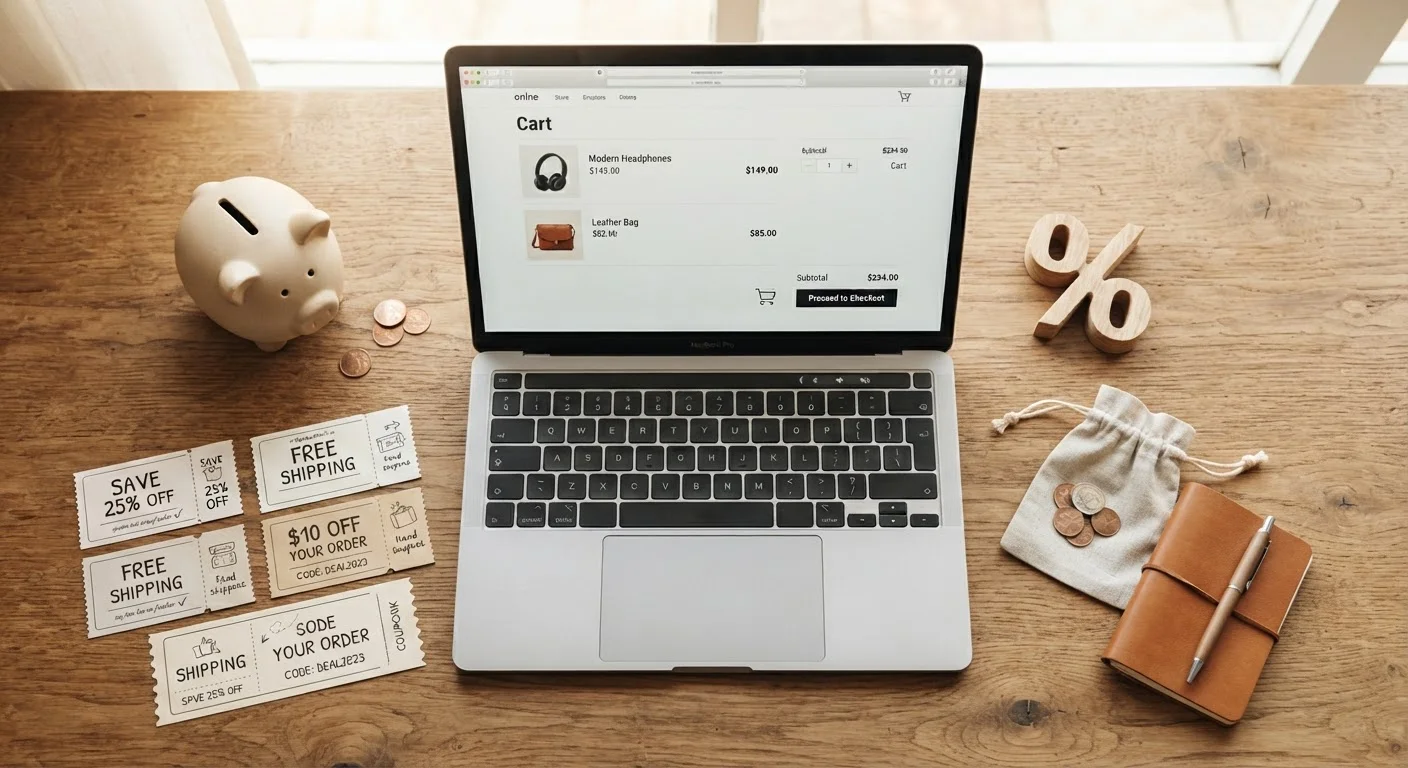
Photo: SummarizedReads.net | Just Read It! editorial
—— In This Article
Key Takeaways
- Cashback portals pay you a percentage of your purchase after the transaction completes, often weeks later.
- Coupon sites aggregate discount codes and printable coupons, delivering savings at the moment of checkout.
- Both tools have meaningful limitations — expired codes and pending cashback periods are common friction points.
- Using both in combination is possible but requires attention to stacking rules, which vary by retailer.
- Neither approach guarantees savings on every purchase; results depend heavily on the retailer and category.
How Each Model Actually Works
Cashback portals — such as general-purpose rewards sites that partner with retailers — work through affiliate tracking. When you click through to a retailer from the portal, a cookie records your session. If you complete a qualifying purchase, the portal receives a commission from the retailer and passes a portion back to you, typically as cash, gift cards, or points. The cashback rate varies by retailer, category, and promotional period, and funds are usually held in a pending state for 30–90 days before becoming withdrawable.
Coupon aggregator sites, by contrast, compile promotional codes and printable coupons submitted by users, retailers, or automated scrapers. You find a code, copy it, and apply it at checkout for an immediate discount — no waiting, no account balance to manage. The trade-off is accuracy: aggregators frequently list codes that are expired, restricted by category, or subject to cart minimums. For a deeper look at why codes fail and how to troubleshoot them, see why coupon codes sometimes fail.
Key Differences at a Glance
The mechanics of each tool produce meaningfully different user experiences across timing, reliability, and effort required.
| Cashback Portals | Coupon Sites | |
|---|---|---|
| When savings are received | 30–90 days after purchase posts | Immediately at checkout |
| Type of saving | Percentage returned after purchase | Upfront price reduction |
| Code reliability | Not code-dependent | Varies; many codes expire quickly |
| Effort required | Click-through before shopping | Search, copy, and paste code |
| Account required | Yes, with withdrawal threshold | Usually not |
| Category exclusions | Common (gift cards, travel, prescriptions) | Varies by code terms |
| Stacking with other discounts | Often restricted to portal codes only | Single code per order typical |
One important nuance: cashback rates are not fixed. Portals frequently run elevated-rate promotions, and rates can drop to zero for certain product categories even within a single retailer's store. Always verify the current rate before starting your session.
Limitations Worth Knowing Before You Start
Both tools come with real friction that marketing language tends to downplay.
Cashback portals: Cashback can be voided if you use a coupon code not approved by the portal, open other tabs during your session, return part of your order, or if the retailer disputes the transaction. The pending period means your money isn't immediately accessible, and minimum withdrawal thresholds apply on most platforms. Some categories — including gift cards, travel fares, and prescription items — are routinely excluded.
Coupon sites: Code freshness is the central problem. Because many codes are user-submitted rather than verified in real time, a significant share of listed codes are expired or retailer-restricted by the time you try them. How retailers structure and distribute coupon codes explains why this expiry gap exists structurally. Stacking multiple codes is usually not permitted, and single-use codes pulled from one source may already be claimed.
Outdated Codes Can Waste Your Time
Coupon aggregator sites have no universal standard for removing expired codes, and some listings can be months or years out of date. Before investing time searching for codes, check the 'posted' or 'verified' date if the site displays one. Focusing on retailer-direct promotional emails or the retailer's own promotions page is often a more reliable starting point than third-party aggregators.
Can You Use Both at the Same Time?
In some cases, yes — but it requires care. Many cashback portals allow the use of their own featured codes without breaking tracking, while using third-party codes from aggregator sites can void the cashback. Check each portal's terms explicitly before combining methods.
Browser-based coupon tools add another layer of complexity. Extensions that automatically test codes at checkout can interfere with cashback tracking by triggering additional redirects or overwriting affiliate cookies. Browser extensions that surface coupons automatically covers how these tools work and what to watch for. If you're running a cashback session, it's generally safer to disable auto-coupon extensions for that purchase.
Check Portal Terms Before Using Any Code
Before applying any coupon code during a cashback session, verify whether that specific code is permitted by the portal. Most portals publish a list of approved codes or explicitly state their stacking policy in their FAQs. Taking two minutes to read those terms can prevent a cashback voiding that outweighs the discount you were trying to capture.
For a broader framework on comparing promo codes to traditional store coupons, promo codes vs. store coupons provides useful context on how these discount types differ at a structural level.
Choosing the Right Tool for Your Shopping Habit
The decision between cashback portals and coupon sites often comes down to your shopping pattern rather than an objective measure of which saves more. Regular, category-specific shoppers — particularly in apparel, electronics accessories, or home goods — tend to find consistent value through cashback portals because they can plan sessions and track accumulating balances. Shoppers making one-off or infrequent purchases may find that a verified coupon code delivers more reliable, immediate value without requiring account management.
For practical strategies on structuring your overall approach to online versus in-person spending, shopping online vs. in-store offers a grounded framework. And for a broader collection of spending strategies, the Shopping Tips hub and Smart Comparisons hub are useful starting points.
No single tool works universally. The most effective approach is understanding exactly how each one functions — and where each one breaks down — before building it into your routine.

Shopping Editorial Team
Shopping Editorial Team is the collective byline for our editorial team and contributor network. Articles published under this byline or an editorial pen name are researched, written, and reviewed according to our editorial standards for clarity, consistency, and independence before publication.
View author profile