
The Psychology Behind Impulse Buying — and How Retailers Use It Against You
Understand the cognitive triggers retailers exploit to prompt unplanned purchases, and learn practical ways to recognise them in the moment.
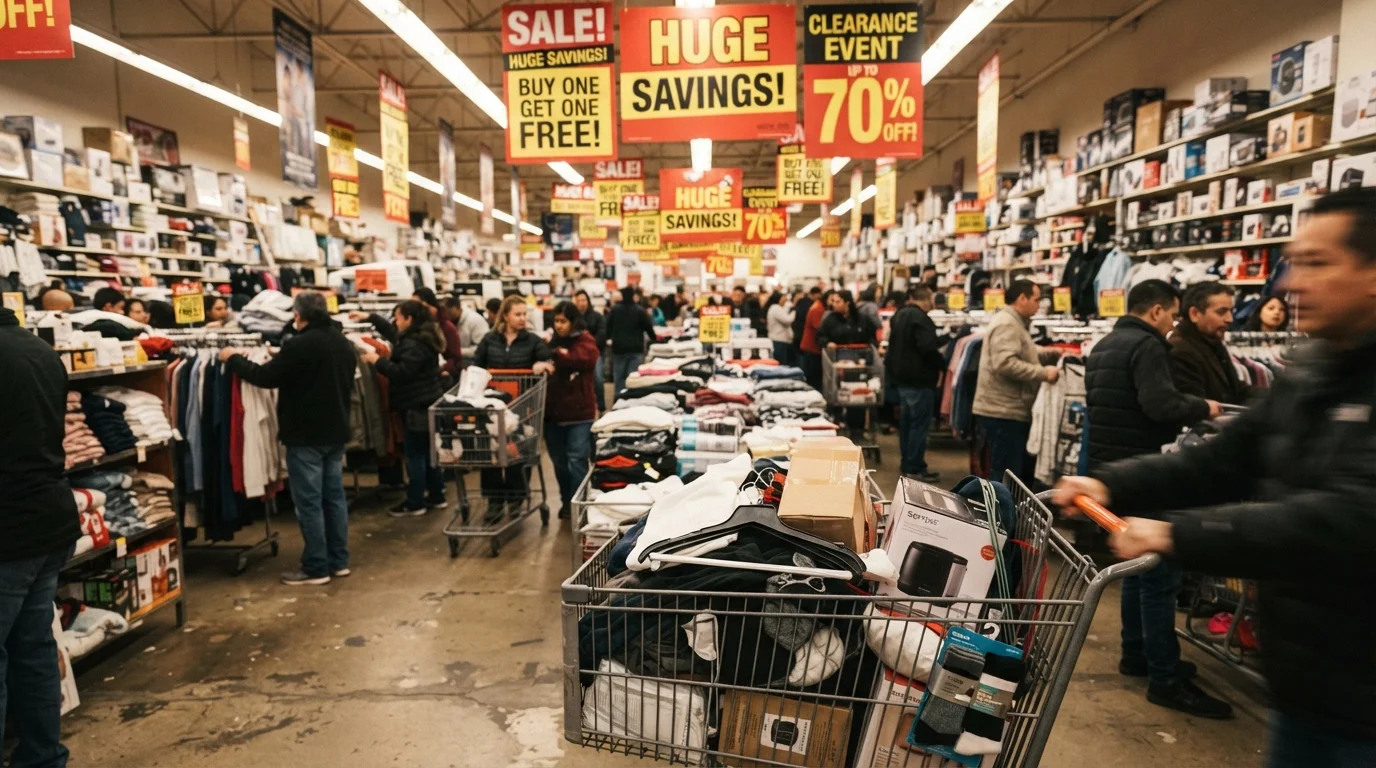
Photo: SummarizedReads.net | Just Read It! editorial
—— In This Article
Key Takeaways
- Impulse purchases are triggered by emotion and environment, not genuine need.
- Retailers use store layout, scarcity cues, and pricing psychology to prompt unplanned spending.
- A brief pause before checkout is one of the most effective defences against impulse buying.
- Digital retail has amplified impulse triggers through one-click purchasing and personalised recommendations.
- Recognising a trigger in the moment is the first step to making a deliberate choice.
Why Your Brain Is Wired to Spend First and Think Later
The human brain processes emotional stimuli faster than it evaluates rational consequences. When you see a product displayed attractively, your reward system fires before you've consciously considered price, necessity, or long-term impact. Retailers have understood this sequence for decades; behavioural economists have spent careers documenting it.
Psychologist Daniel Kahneman's widely cited framework describes two modes of thinking: fast, automatic reactions (System 1) and slower, deliberate reasoning (System 2). Impulse buying occurs when System 1 commits before System 2 gets a vote. Emotional states — excitement, stress, boredom, even hunger — amplify System 1 responses, which is why a long workday or an empty stomach can make a checkout lane feel more tempting than it would otherwise.
Understanding this isn't about blaming yourself. It's about recognising that the shopping environment is specifically engineered to exploit this timing gap. For a deeper look at how emotional states shape broader financial decisions, see how psychological factors influence debt.
~40%
Share of retail purchases that are unplanned
Multiple consumer research studies have estimated that roughly 40% of purchases in supermarkets and general retail are made without prior intent, though figures vary by category and methodology.
3x
Higher impulse rates in emotionally elevated states
Consumer behaviour research has found that shoppers in positive or highly stimulated emotional states make impulse purchases at significantly higher rates than those in neutral moods.
The Retailer's Playbook: Environmental and Pricing Tactics
Physical stores place high-margin, visually appealing items at eye level, near entrances, and along checkout queues — locations where attention is already engaged and decision fatigue has often set in. Sensory cues like scent, music tempo, and lighting are all calibrated to extend dwell time and lower mental resistance.
Pricing psychology plays an equally significant role. Charm pricing (ending prices in .99) makes amounts feel smaller than they are. Anchoring — displaying a crossed-out 'original' price alongside a 'sale' price — frames the purchase as a saving rather than a cost, regardless of whether the original price ever reflected real market value. Anchoring and decoy pricing distort comparisons in ways that are worth understanding before your next big purchase.
Scarcity and urgency messaging — 'Only 2 left' or countdown timers — activate loss aversion, a well-documented cognitive bias where the fear of missing out outweighs the appeal of gaining something. Many urgency tactics are manufactured rather than genuine supply constraints.
Pause Before the Cart, Not After
The most effective moment to evaluate an impulse purchase is before it enters your cart or wishlist — not at checkout. Once an item is 'in' your cart, psychological ownership effects make it harder to remove. Try asking 'Would I have come here specifically to buy this?' before adding anything unplanned.
How Digital Retail Amplifies Every Trigger
Online shopping has removed most of the natural friction that once slowed impulse decisions. There's no drive home to reconsider, no queue, no physical weight of items in a cart. One-click purchasing, saved payment details, and auto-filled addresses compress the gap between impulse and transaction to seconds.
Personalised recommendation algorithms surface items based on browsing history, meaning the products you see are already calibrated to your documented preferences. Push notifications and abandoned-cart emails reintroduce items after you've already walked away — a second attempt at the same trigger. Social commerce features on platforms let users purchase directly from content feeds, blending entertainment with transaction in a way that bypasses deliberate evaluation almost entirely.
Practical Habits That Create a Moment of Choice
Awareness of a trigger is itself protective — studies in consumer behaviour suggest that shoppers who can name the tactic being used on them are measurably less susceptible to it. Beyond awareness, a few structural habits help restore the deliberate decision-making that impulse environments suppress.
- Use a list as a commitment device. Write your list before entering a store or website and treat it as a boundary rather than a suggestion.
- Apply a waiting threshold. Choose a dollar amount above which you always wait at least 24 hours before completing an unplanned purchase.
- Remove one-click convenience. Deleting saved payment methods forces a small re-entry step that restores friction and thinking time.
- Shop with a full stomach and a time limit. Hunger and open-ended browsing both increase impulsive choices.
For a structured approach to evaluating purchases before you commit, building a habit that reduces buyer's remorse outlines a practical framework. If you're newer to managing spending intentionally, a starter framework for low-regret spending covers the core concepts. You can also explore the broader smart comparisons hub for tools that help you evaluate options more objectively.
Impulse Spending and Emotional Wellbeing
For some people, compulsive or distressing patterns of impulse spending may be linked to broader emotional health factors including anxiety, depression, or stress. If unplanned spending feels difficult to control despite genuine effort, speaking with a mental health professional or financial counsellor may be a useful step. This article provides general consumer education and is not a substitute for professional advice.
Frequently Asked Questions

Shopping Editorial Team
Shopping Editorial Team is the collective byline for our editorial team and contributor network. Articles published under this byline or an editorial pen name are researched, written, and reviewed according to our editorial standards for clarity, consistency, and independence before publication.
View author profile