
Your Car's Maintenance Schedule, Decoded
Confused by your owner's manual service intervals? Here's what each milestone actually means and why it matters for your car's longevity.
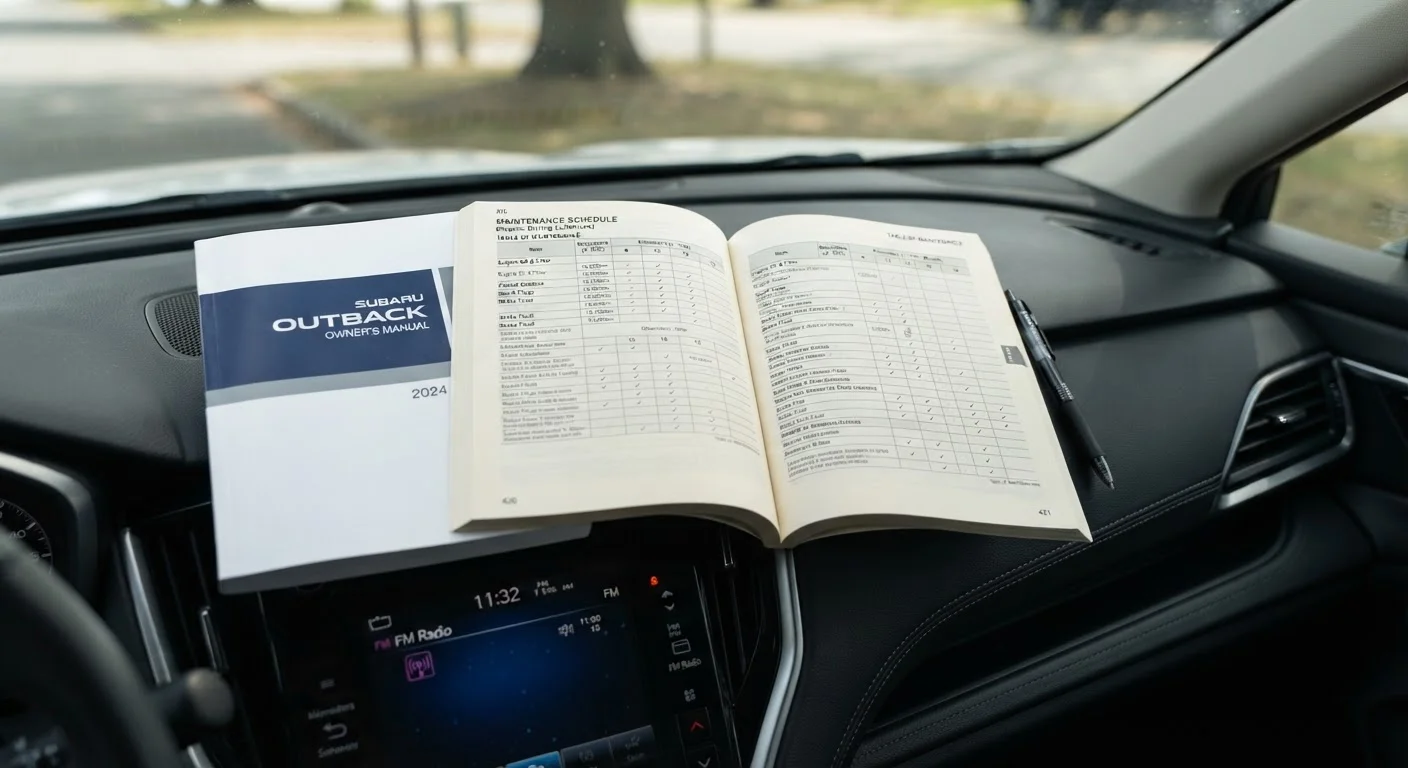
Photo: SummarizedReads.net | Just Read It! editorial
—— In This Article
Key Takeaways
- Your owner's manual contains the most accurate maintenance schedule for your specific vehicle - use it as the primary reference.
- Maintenance intervals are based on both mileage and elapsed time; whichever threshold comes first applies.
- Skipping scheduled services can void powertrain warranties and accelerate component wear.
- Severe driving conditions require more frequent service than the standard schedule suggests.
- Routine maintenance costs far less than the repairs that neglect typically causes.
What a Maintenance Schedule Actually Is
Most drivers know they're supposed to get their oil changed, but far fewer understand the full logic behind a maintenance schedule. Think of it as a preventive roadmap that your vehicle's engineers designed based on how long specific fluids and components last under normal operating stress.
Schedules are organized around two triggers: mileage and elapsed time. A coolant flush might be recommended every 50,000 miles or every five years - whichever arrives first. This matters because a car driven only 4,000 miles per year still ages chemically and mechanically even while sitting.
If you're new to car ownership and want a broader foundation before diving into intervals, our guide for first-time car owners covers the essential tasks every driver should understand from the start.
The Owner's Manual Overrides Everything
Generic maintenance advice - including broad guidelines found online - should always be treated as a starting point, not a final answer. Your owner's manual contains intervals calibrated for your specific engine, transmission, and drive system. When there's a conflict between a general recommendation and your manual, the manual wins.
The Key Service Intervals and What They Cover
Maintenance schedules are layered - shorter intervals stack inside longer ones. Here's how to read them:
- Every 5,000-10,000 miles: Oil and filter change, tire rotation, brake inspection. These are your most frequent touchpoints and the foundation of engine health.
- Every 15,000-30,000 miles: Air filter replacement, cabin air filter, battery check, fluid top-offs (brake fluid, power steering). This tier often gets skipped - and it shouldn't.
- Every 30,000-60,000 miles: Transmission fluid, coolant flush, fuel filter, spark plugs (on older vehicles), brake fluid replacement. These are the services most associated with major repair bills when neglected.
- 60,000-100,000+ miles: Timing belt or chain inspection, serpentine belt, differential fluid, and comprehensive drivetrain review. A failed timing belt is often an engine-destroying event.
For a detailed look at what each major milestone actually demands, see what your car needs at 30k, 60k, and 100k miles.
35%
of U.S. vehicles are overdue for an oil change
According to data cited by the Car Care Council, roughly one in three vehicles on American roads is overdue for this foundational service.
$1,200+
average cost of a timing belt failure repair
Industry repair estimates suggest timing belt failures, which are preventable through scheduled replacement, frequently result in engine damage costing well over $1,000.
2x
more frequent service under severe conditions
Manufacturers commonly recommend intervals up to twice as frequent for drivers who qualify under severe-duty driving criteria compared to the standard schedule.
Normal vs. Severe Driving - Why It Changes Everything
Manufacturers include two service tracks in most owner's manuals: normal and severe. Many drivers assume they fall into the normal category - but the criteria for severe are broader than most people expect. Frequent short trips, urban stop-and-go driving, towing, or operating in dusty or extreme-temperature environments all qualify.
Under severe conditions, intervals for oil changes, transmission fluid, and brake inspections are often shortened by 30-50%. Using the wrong track is one of the most common - and costly - maintenance mistakes drivers make.
Weather also plays a role. Seasonal shifts affect fluids, tire pressure, and battery performance in ways the standard mileage schedule doesn't fully capture. Our seasonal car maintenance checklist covers what to inspect before summer heat and winter cold arrive.
Set Mileage Reminders Before You Need Them
Don't wait until a service light appears. Note your current mileage and the next scheduled interval, then set a reminder 1,000 miles ahead using your phone or a free app. This small habit prevents services from slipping and keeps you in control of your maintenance timeline rather than reacting to problems.
Keeping Records and Deciding What You Can Do Yourself
Service records serve two practical purposes: they document that maintenance was performed (protecting warranty claims and resale value), and they help you anticipate what's coming due next. A simple spreadsheet or a free app is sufficient - note the date, mileage, and work performed for every service visit.
Not every maintenance task requires a professional. Oil changes, air filter swaps, and wiper blade replacements are generally straightforward for capable home mechanics. Others - brake system work, timing belt replacement, or anything involving fuel or emissions systems - carry enough risk that a qualified mechanic is the right call. Our article on DIY maintenance vs. taking it to a mechanic walks through how to tell the difference honestly.
Dashboard warning lights can also surface issues between scheduled services. Rather than ignoring them, consult our plain-language dashboard warning light reference to understand urgency before deciding on next steps.
This article provides general vehicle maintenance information for educational purposes. Always consult your vehicle's owner's manual and a qualified mechanic for guidance specific to your car's make, model, and condition.
Frequently Asked Questions

Auto Editorial Team
Auto Editorial Team is the collective byline for our editorial team and contributor network. Articles published under this byline or an editorial pen name are researched, written, and reviewed according to our editorial standards for clarity, consistency, and independence before publication.
View author profile