
What Your Car Actually Needs at 30,000, 60,000, and 100,000 Miles
Major service milestones come with specific inspection and replacement tasks. Here's a general breakdown of what typically needs attention at each stage.
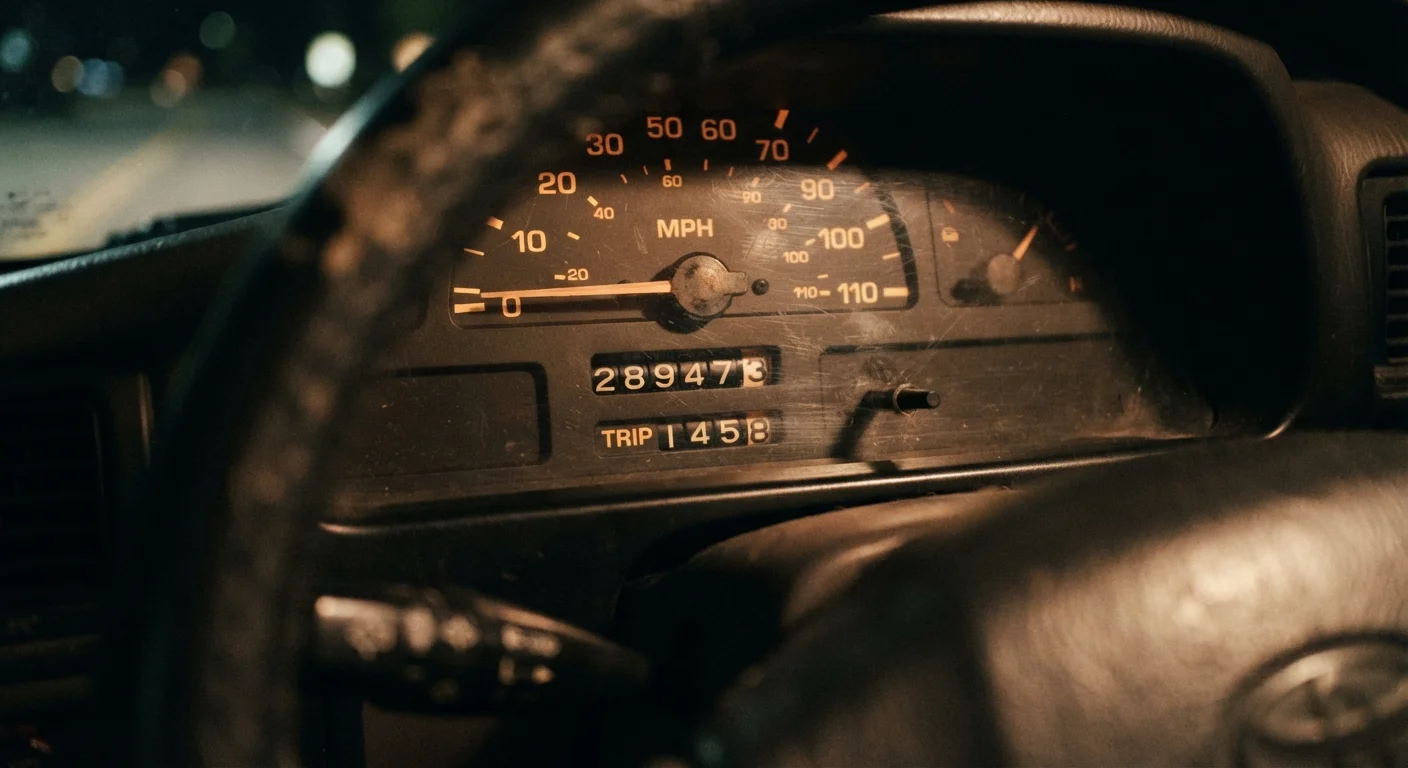
Photo: SummarizedReads.net | Just Read It! editorial
—— In This Article
Why Mileage Milestones Matter
Your owner's manual outlines a maintenance schedule for a reason: components wear at predictable rates, and waiting until something fails is almost always more expensive than replacing it on schedule. The 30,000-, 60,000-, and 100,000-mile marks represent three stages where multiple systems tend to need attention at roughly the same time.
Keep in mind that these are general guidelines. Driving conditions - stop-and-go city traffic, towing, extreme temperatures - accelerate wear. Always cross-reference with your specific vehicle's manual, and when in doubt, ask a qualified mechanic. For a broader look at how routine care fits together, see this maintenance framework.
The 30,000-Mile Service
At 30,000 miles, most vehicles are still relatively young but have accumulated enough wear that several consumables need replacement or inspection.
- Air filter: A clogged air filter restricts airflow to the engine, reducing efficiency. Most manufacturers recommend replacement around 15,000-30,000 miles depending on conditions.
- Fuel filter: Protects the fuel injectors from contaminants. Many vehicles have a serviceable fuel filter that benefits from replacement at this interval.
- Brake inspection: Pads, rotors, and brake fluid should be evaluated. Brake fluid absorbs moisture over time, which can lower its boiling point and reduce stopping performance.
- Tire rotation and inspection: Uneven wear is easier to correct early. Learn more in our guide to tire rotation, balancing, and alignment.
- Fluid levels: Coolant, power steering, and transmission fluid should be checked and topped off as needed. See the six fluids your car relies on for details.
Battery terminals and belts are also worth a visual inspection at this stage, even if replacement isn't yet due.
The 60,000-Mile Service
By 60,000 miles, several components that were still functional at 30k are now approaching the end of their typical service life. This is often the most comprehensive service interval before the major 100k mark.
- Spark plugs: Conventional copper plugs often need replacement by 30,000-45,000 miles; iridium or platinum plugs can last 60,000-100,000 miles. Check your manual for the specific type your vehicle uses.
- Drive belts and hoses: Serpentine belts, timing belts (where applicable), and coolant hoses become more susceptible to cracking and failure after 60,000 miles. A snapped timing belt can cause significant engine damage on interference engines.
- Brake system: Pads may need replacement depending on driving style. Rotors should be measured for thickness and evaluated for warping.
- Transmission fluid: Many manufacturers recommend a fluid change between 30,000 and 60,000 miles, particularly for automatic transmissions under heavier use.
- Battery: Most car batteries last 3-5 years. At 60,000 miles, age and mileage may align to make a load test worthwhile.
Timing Belts vs. Timing Chains
Not all vehicles use a timing belt - many modern engines use a timing chain instead. Timing chains are generally designed to last the life of the engine but can stretch over high mileage. Check your owner's manual to determine which your vehicle has, as replacement intervals and failure risks differ significantly between the two.
If you drive in harsh seasonal conditions, some of these checks benefit from being done more frequently. Our seasonal maintenance guide covers what to inspect before major weather shifts.
The 100,000-Mile Service
Reaching 100,000 miles is an achievement worth protecting. At this point, the vehicle has worked hard enough that a more thorough assessment is warranted - not a reason to panic, but a prompt to be proactive.
- Timing belt or chain: If your vehicle has a timing belt and it hasn't been replaced, this is a critical priority. Timing chain stretch should also be assessed on higher-mileage engines.
- Coolant flush: Antifreeze degrades over time and can become corrosive to internal engine components. A full flush and refill is generally recommended.
- Spark plugs and ignition components: If running extended-life plugs, 100k is a common replacement point. Ignition coils and wires should also be evaluated.
- Suspension components: Shocks, struts, tie rods, and ball joints show meaningful wear by this mileage and affect both handling and tire life.
- Oxygen sensors and emissions components: Degraded oxygen sensors can reduce fuel economy and trigger check-engine lights. They are often overlooked until a problem surfaces.
For drivers who haven't had a structured service history, this milestone is a good time to review how to decode your car's maintenance schedule and catch any gaps.
Interference engine
An engine design where the pistons and valves occupy the same space at different times. If the timing belt fails on an interference engine, the pistons can strike the valves and cause major internal damage.
Serpentine belt
A single continuous belt that drives multiple engine accessories including the alternator, power steering pump, and air conditioning compressor. Failure can disable several systems at once.
Coolant flush
A service procedure that drains old antifreeze from the cooling system, cleans the system, and refills it with fresh coolant. Helps prevent corrosion and overheating.
Oxygen sensor
A component in the exhaust system that measures oxygen levels in exhaust gases, helping the engine control unit optimize the fuel-air mixture for efficiency and emissions compliance.

Auto Editorial Team
Auto Editorial Team is the collective byline for our editorial team and contributor network. Articles published under this byline or an editorial pen name are researched, written, and reviewed according to our editorial standards for clarity, consistency, and independence before publication.
View author profile