
Dry Shampoo: What It Actually Does and When It Helps (or Hurts)
Dry shampoo is widely used but often misunderstood. A balanced look at when it's genuinely useful and when it may cause problems.
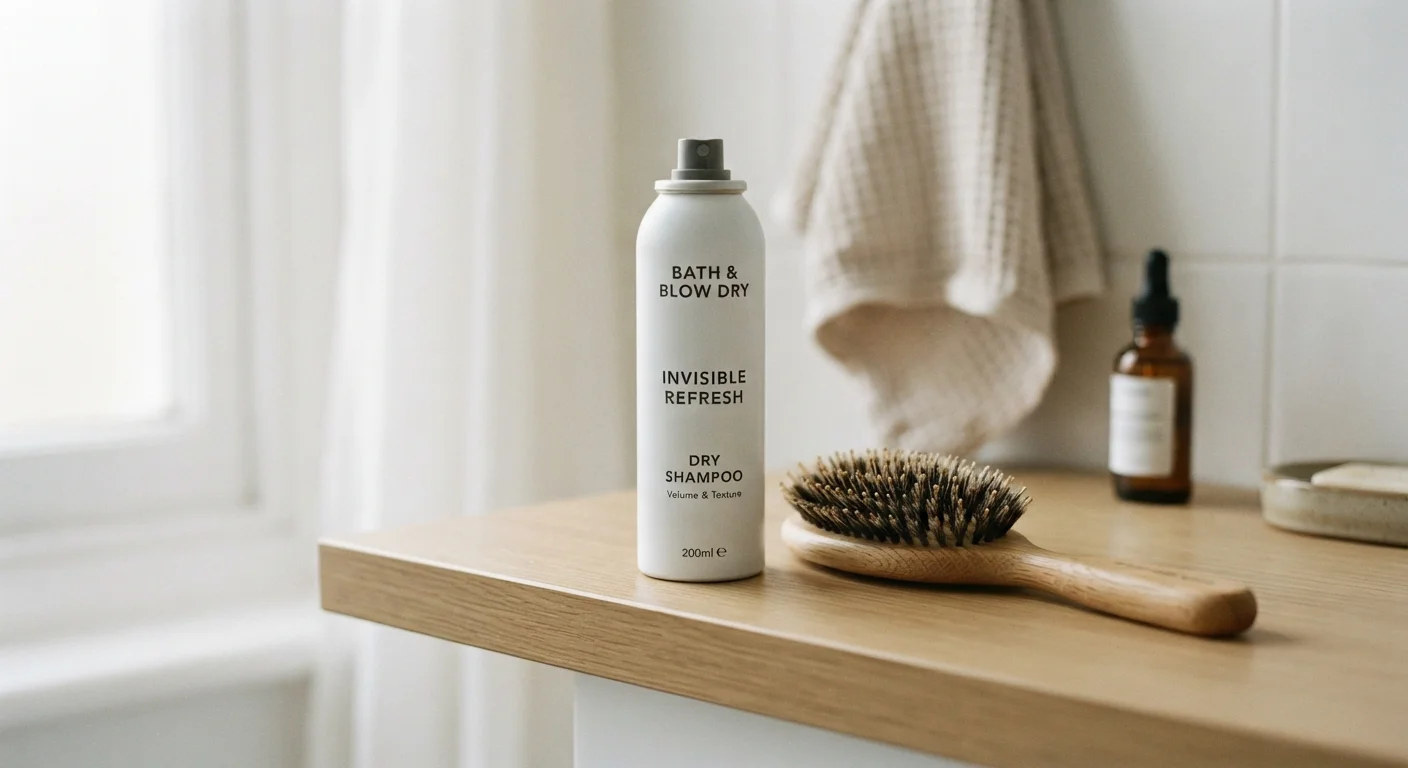
Photo: SummarizedReads.net | Just Read It! editorial
—— In This Article
Key Takeaways
- Dry shampoo absorbs oil and adds volume but does not clean hair or scalp.
- Regular overuse can lead to buildup, scalp irritation, or clogged follicles.
- It works best as an occasional tool between washes, not a daily replacement.
- People with fine, oily hair tend to benefit most; those with scalp conditions should use it cautiously.
- Always follow up with a thorough wash to remove any residue.
Quickly absorbs excess scalp oil between washes
Starch-based absorbents soak up sebum in minutes, making hair look and feel fresher without water or rinsing.
Adds temporary volume and texture to flat hair
The powder coating on individual strands creates friction that makes fine hair feel thicker and hold styles better.
Extends the life of blowouts and styled hair
Washing resets any style from scratch; a quick application at the roots can preserve a blowout or curls for an extra day.
Saves significant time on busy mornings
Skipping a full wash-and-dry cycle can save 20-45 minutes, which adds up meaningfully over a week.
Reduces wash frequency for processed or color-treated hair
Fewer washes can slow color fade and reduce the mechanical stress placed on chemically treated strands during wet combing and heat drying.
Does not actually clean the scalp
Dirt, dead skin, and bacteria remain on the scalp after application - only a water-based wash removes them effectively.
Buildup can clog follicles with repeated use
Residue from repeated applications accumulates around the hair follicle opening, which may contribute to irritation or impede healthy hair growth over time.
Can cause or worsen scalp flaking and itching
Powder buildup combined with sebum can create an environment that irritates the scalp, producing symptoms that can be mistaken for dandruff.
Aerosol formulas may leave a visible white cast
This is especially noticeable on dark or brunette hair if the product is over-applied or not massaged in thoroughly.
Not a substitute for regular washing
When used as a primary cleaning method rather than a bridge, it can allow product residue, oil, and environmental debris to accumulate at levels a single wash may struggle to clear.
What Dry Shampoo Actually Does
The name is a little misleading. Dry shampoo does not clean your hair - it absorbs excess oil and adds texture. Most formulas rely on starch-based powders (such as rice starch or tapioca starch) or alcohol to soak up sebum, the natural oil your scalp produces. Aerosol versions suspend these absorbents in a propellant so you can spray them at the roots; powder versions apply the same ingredients directly.
The result is hair that looks and feels less greasy for a few hours. Volume gets a temporary boost because the powder coats individual strands, making them grip one another. What the product does not do is remove dirt, product buildup, dead skin cells, or bacteria from the scalp. For a fuller picture of why that distinction matters, see our guide to scalp health.
The Genuine Benefits
Used selectively, dry shampoo solves real problems - and for certain hair types, it genuinely earns its place in a routine.
Quickly absorbs excess scalp oil between washes
Starch-based absorbents soak up sebum in minutes, making hair look and feel fresher without water or rinsing.
Adds temporary volume and texture to flat hair
The powder coating on individual strands creates friction that makes fine hair feel thicker and hold styles better.
Extends the life of blowouts and styled hair
Washing resets any style from scratch; a quick application at the roots can preserve a blowout or curls for an extra day.
Saves significant time on busy mornings
Skipping a full wash-and-dry cycle can save 20-45 minutes, which adds up meaningfully over a week.
Reduces wash frequency for processed or color-treated hair
Fewer washes can slow color fade and reduce the mechanical stress placed on chemically treated strands during wet combing and heat drying.
~1 in 3
US adults who report using dry shampoo
Survey data from consumer research firms has consistently found dry shampoo among the most widely adopted hair care shortcuts in the US.
20-45 min
Time saved by skipping a wash-and-dry session
Estimated time saved per skip, based on average reported wash and styling routines, varies significantly by hair length and texture.
It is also worth noting that every wash cycle involves some mechanical stress - combing wet hair, towel friction, heat styling. Reducing wash frequency by one or two days a week may slightly reduce cumulative damage, particularly for chemically processed or color-treated hair. Our article on common hair-washing mistakes covers this tension in more detail.
The Real Drawbacks
The convenience of dry shampoo comes with trade-offs that are easy to overlook when the product is working well.
Does not actually clean the scalp
Dirt, dead skin, and bacteria remain on the scalp after application - only a water-based wash removes them effectively.
Buildup can clog follicles with repeated use
Residue from repeated applications accumulates around the hair follicle opening, which may contribute to irritation or impede healthy hair growth over time.
Can cause or worsen scalp flaking and itching
Powder buildup combined with sebum can create an environment that irritates the scalp, producing symptoms that can be mistaken for dandruff.
Aerosol formulas may leave a visible white cast
This is especially noticeable on dark or brunette hair if the product is over-applied or not massaged in thoroughly.
Not a substitute for regular washing
When used as a primary cleaning method rather than a bridge, it can allow product residue, oil, and environmental debris to accumulate at levels a single wash may struggle to clear.
Dry Shampoo and Hair Shedding: What We Know
Some users report increased hair shedding after prolonged dry shampoo use. While there is no large-scale clinical evidence directly linking the two, the plausible mechanism involves follicle clogging and scalp inflammation from buildup. Hair shedding has many causes, and correlation is not causation. If you notice unusual shedding, speak with a dermatologist rather than self-diagnosing.
There is also a subtler issue: some aerosol formulas contain benzene-related compounds or synthetic fragrances that may irritate sensitive scalps. If you notice persistent itching, flaking, or redness after using a product, stop using it and consult a dermatologist. This is general information, not medical advice - always seek professional guidance for persistent scalp concerns.
How to Use It Without Causing Problems
A few practical habits make a meaningful difference in outcomes:
- Hold the can 6-8 inches away from the scalp. Spraying too close concentrates product in one area and is harder to distribute evenly.
- Apply before oil is visible, not after. Dry shampoo works better as a preventive step used on day-two hair than as a rescue product on heavily oily hair.
- Massage and brush through after applying. Leaving white residue on the scalp defeats the purpose and adds to buildup.
- Cap consecutive use at two days maximum. Most dermatologists suggest not going more than two to three days between traditional washes when using dry shampoo regularly.
- Follow with a clarifying wash at least once a week if you use dry shampoo frequently, to clear accumulated residue. Learn more about what different shampoo formulations offer in our ingredient comparison of drugstore vs. salon shampoos.
Powder-formula dry shampoos are often easier to control for people with darker hair, since aerosols can leave a visible white cast if over-applied.
Who Should Be Cautious
Dry shampoo is not ideal for everyone. People with seborrheic dermatitis, scalp psoriasis, or any active inflammatory scalp condition should be especially careful - residue buildup can aggravate symptoms. Those with very thick or curly hair may find that dry shampoo does not distribute well and provides minimal oil absorption given the hair's natural structure.
If you are already dealing with hair shedding or thinning, it is worth discussing scalp hygiene habits - including dry shampoo use - with a dermatologist before relying on it regularly. Hair loss has many causes, and no single product is responsible, but a clean, unobstructed scalp environment generally supports healthier follicle function. For context on how styling choices compare in their trade-offs, see our overview of air-drying versus heat styling.
This article is for informational purposes only and does not constitute medical or dermatological advice. Consult a qualified healthcare professional for any personal scalp or hair concerns.

Beauty Editorial Team
Beauty Editorial Team is the collective byline for our editorial team and contributor network. Articles published under this byline or an editorial pen name are researched, written, and reviewed according to our editorial standards for clarity, consistency, and independence before publication.
View author profile