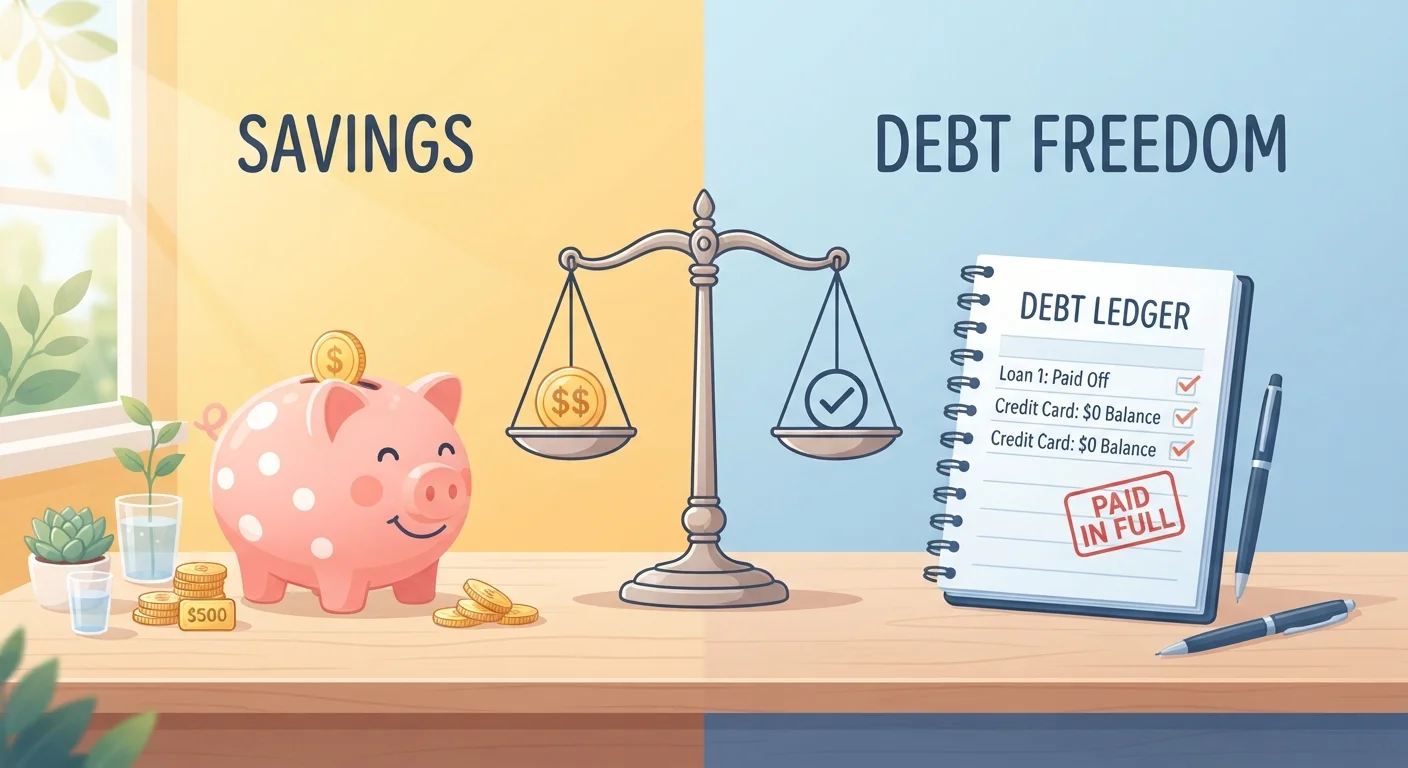
The Debt Avalanche and Debt Snowball, Explained
Two widely used debt repayment strategies compared side by side — how each works, who they suit, and what the trade-offs look like.
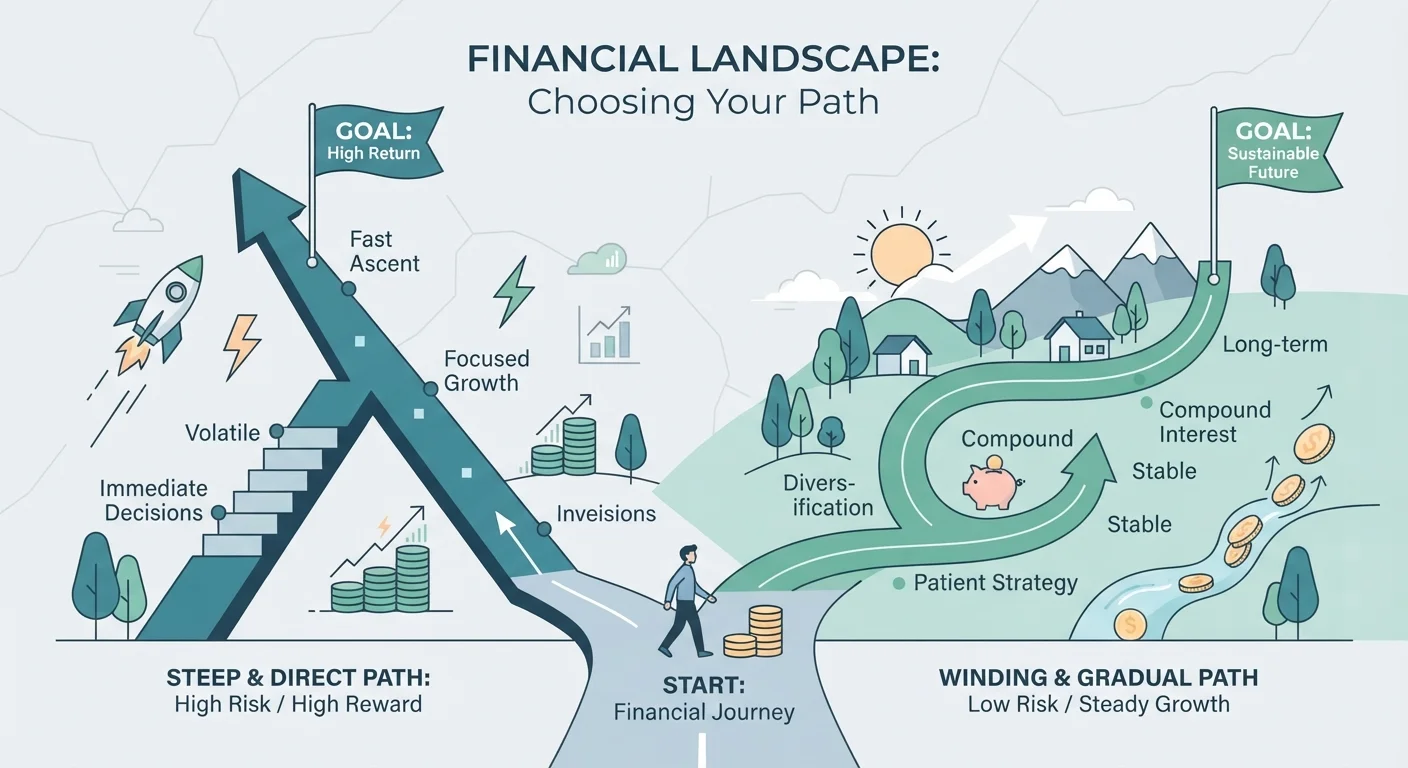
Photo: SummarizedReads.net | Just Read It! editorial
—— In This Article
Key Takeaways
- The debt avalanche targets your highest-interest debt first, minimizing total interest paid over time.
- The debt snowball targets your smallest balance first, delivering quick wins that sustain motivation.
- Both methods require making minimum payments on all debts while directing extra funds to the priority debt.
- The avalanche typically saves more money; the snowball often produces better follow-through for some people.
- Your best strategy is the one you will actually stick to - consistency matters more than optimization.
How Each Method Works
Both strategies share the same mechanical foundation: pay the minimums on every debt each month, then direct any additional money toward one specific target debt. The difference is how you choose that target.
Debt Avalanche: Rank your debts by interest rate, highest to lowest. Your extra payment goes to the highest-rate debt first. Once that balance hits zero, the freed-up payment amount rolls into the next highest-rate debt - and so on. The term "avalanche" captures how momentum builds as each eliminated payment is redirected downhill.
Debt Snowball: Rank your debts by balance, smallest to largest, regardless of interest rate. Your extra payment targets the smallest balance first. Once it's paid off, that freed-up amount adds to the minimum on the next-smallest debt. Each paid-off account rolls its full payment into the next, creating a growing "snowball" of funds attacking remaining debt.
If you're also trying to grow savings while repaying debt, see why doing both at once is often workable - the two goals aren't mutually exclusive.
| Criterion | Debt Avalanche | Debt Snowball |
|---|---|---|
| Priority target | Highest interest rate first | Smallest balance first |
| Total interest paid | Generally lower | Generally higher |
| Time to first payoff | Potentially longer | Potentially shorter |
| Psychological motivation | Delayed early wins | Quick wins build momentum |
| Best for | Disciplined, math-driven repayers | Motivation-driven repayers |
| Complexity | Low - rank by APR | Low - rank by balance |
The Real Trade-Off: Money vs. Motivation
The avalanche is the mathematically superior method in most scenarios. By attacking high-interest debt first, you reduce the principal that interest compounds against - meaning less total interest accrues over the life of your repayment plan. For someone carrying high-rate credit card debt alongside a low-rate auto loan, the difference in total interest paid can be meaningful.
The snowball's edge is behavioral. Research in behavioral economics has consistently found that completing small goals reinforces habit formation. Paying off even a modest $400 balance provides a concrete sense of progress and reduces the number of accounts you're managing. For some people, that psychological payoff is what keeps the plan alive through months of grinding repayment.
~$1,000+
Potential interest savings with avalanche over snowball
Estimates vary widely by debt mix, but financial educators commonly illustrate scenarios where the avalanche saves hundreds to over a thousand dollars on typical consumer debt portfolios.
3 in 5
U.S. adults carrying some form of debt
According to Federal Reserve consumer finance data, a majority of American households carry non-mortgage debt such as credit cards, auto loans, or student loans.
Neither method works if you abandon it. That's the honest framing. If the avalanche's longer wait for a first "win" leads you to disengage, the snowball's slightly higher total interest cost may be a worthwhile trade. Conversely, if you're highly analytical and motivated by data, watching interest charges decline with the avalanche may be all the reinforcement you need.
If you're newer to managing debt and savings simultaneously, this grounded introduction to personal finance with existing debt offers useful context on prioritization.
Practical Considerations Before You Choose
Before picking a method, gather your full debt picture: list every balance, its interest rate (APR), and its minimum monthly payment. This simple inventory is the foundation of both strategies and will immediately show you which approach has more early momentum available.
A few factors worth weighing:
- Interest rate spread: If your debts have very different rates - say, a 24% credit card and a 5% personal loan - the avalanche's savings argument is strongest. If rates cluster closely together, the difference in total interest paid shrinks and the snowball becomes more appealing.
- Number of accounts: Many small balances spread across multiple accounts often favor the snowball, since you can close accounts quickly and simplify your financial picture.
- Extra cash available: Both methods require a consistent surplus beyond minimum payments. If that surplus is tight, review your monthly budget first - even a modest extra amount applied consistently makes a real difference over time.
- Emotional relationship with debt: Be honest with yourself. If debt causes significant anxiety, tangible progress (snowball) may matter more than optimized math (avalanche).
You might also consider whether debt consolidation changes the equation. Debt consolidation can sometimes simplify repayment and reduce interest costs, though it comes with its own trade-offs worth understanding before acting.
Finally, don't overlook your emergency fund alongside your repayment plan. Balancing an emergency cushion with debt payoff is a real tension many people face, and how you handle it affects which strategy stays viable long-term.
Hybrid Approaches Are Valid
Some people start with the snowball to clear one or two small accounts, then switch to the avalanche once they've built confidence. This hybrid approach isn't textbook, but personal finance rarely is. The goal is sustained progress, not adherence to a label. If adjusting your method keeps you engaged, that flexibility is a feature, not a flaw.
This article is for general informational purposes only and does not constitute personalized financial or legal advice. Consult a qualified financial professional for guidance specific to your situation.

Finance Editorial Team
Finance Editorial Team is the collective byline for our editorial team and contributor network. Articles published under this byline or an editorial pen name are researched, written, and reviewed according to our editorial standards for clarity, consistency, and independence before publication.
View author profile