
Repairing vs Replacing a Broken Appliance: How to Think Through the Decision
The repair-or-replace decision isn't always obvious. Understand the financial and practical factors that should guide your choice.
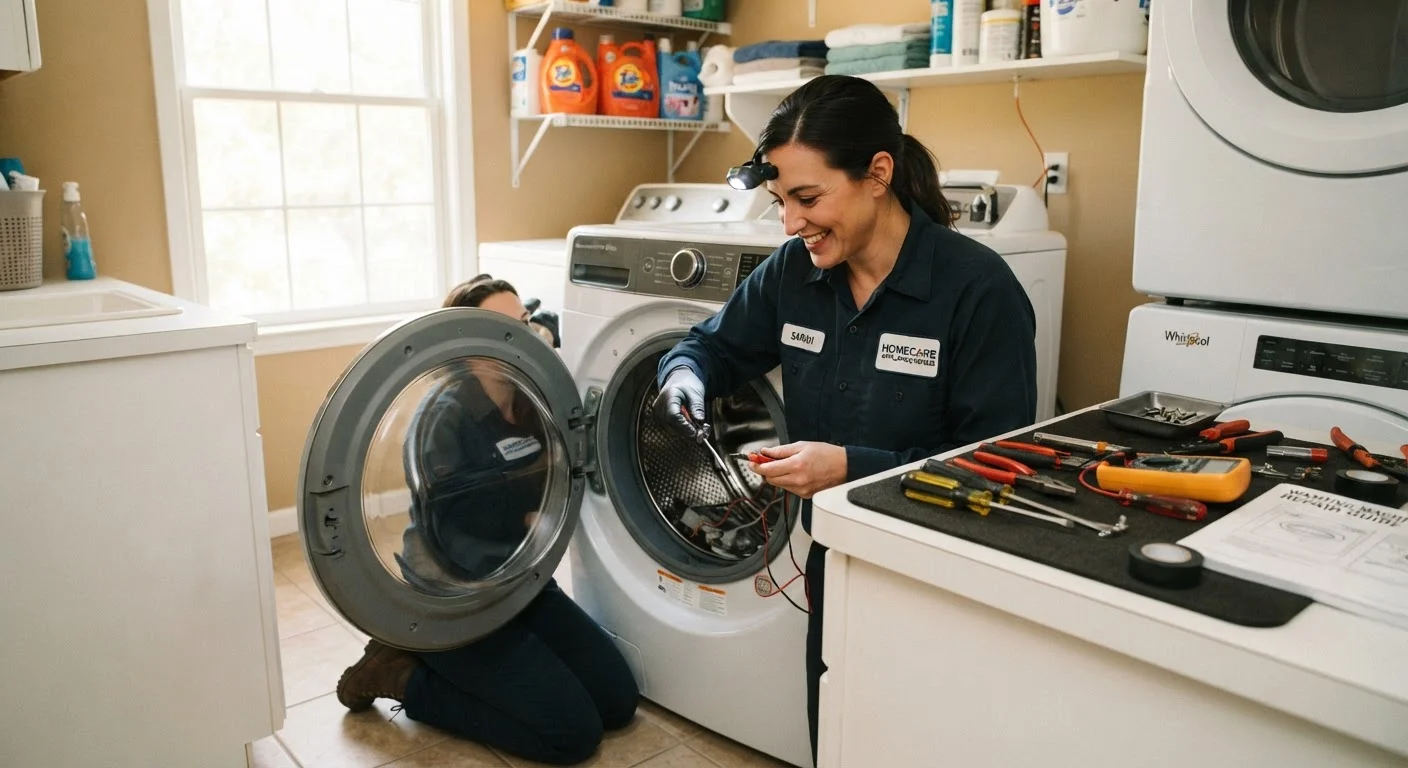
Photo: SummarizedReads.net | Just Read It! editorial
—— In This Article
Key Takeaways
- The '50% rule' is a widely used starting point: if repair costs exceed half the replacement cost, replacing often makes more sense.
- Appliance age and expected remaining lifespan are just as important as the dollar cost of the repair.
- Energy efficiency improvements in newer models can offset a higher upfront replacement cost over time.
- Repair is frequently the more sustainable and economical choice for younger appliances with minor faults.
Lower immediate out-of-pocket cost
A targeted repair almost always costs less upfront than full replacement, making it the more accessible option for households managing a tight budget.
Preserves a familiar, functioning appliance
You know the quirks of your existing machine, and a repaired appliance of the same type avoids the time cost of researching, purchasing, and installing a new one.
More environmentally responsible in many cases
Manufacturing a new appliance requires significant raw materials and energy. Extending the useful life of an existing unit reduces that environmental burden.
Sensible for appliances still within lifespan
If an appliance is only a few years old, a repair restores most of its remaining value - making the cost-per-year of ownership much lower than replacing it prematurely.
Repair may not address underlying wear
Fixing one component on an aging appliance can mask broader deterioration; a second failure in a different part is common, doubling the effective cost.
Older appliances remain energy-inefficient
A successful repair keeps a high-consumption appliance running, meaning you continue paying elevated utility bills that a newer, more efficient model might avoid.
Parts availability is not guaranteed
For older or discontinued models, sourcing replacement parts can be slow, expensive, or impossible - extending the period you're without a working appliance.
Repair costs can escalate unexpectedly
A technician may discover additional faults once work begins, pushing the final bill well beyond the original estimate and past the point where it made financial sense.
Why This Decision Is Harder Than It Looks
A broken appliance puts you in an uncomfortable spot: the clock is ticking, you may be without a refrigerator or washer, and the pressure to decide quickly can lead to choices you later regret. The repair-or-replace decision is genuinely complex because it involves upfront costs, long-term running expenses, environmental impact, and personal finances all at once.
The good news is that a handful of practical questions can cut through the noise. Working through them methodically - rather than reacting emotionally - almost always leads to a better outcome. Our guide to the hidden costs of running household appliances is a useful companion here, since purchase or repair price is rarely the whole story.
Warranty and Service Plan Check
Before committing to either repair or replacement, verify whether your appliance is still covered by the manufacturer's warranty or an extended service plan. Coverage periods vary widely - some plans extend to five or more years - and a covered repair could cost you nothing out of pocket. Keep appliance documentation in a designated home file so this information is easy to retrieve when you need it.
The Core Framework: Cost, Age, and Efficiency
Three variables do most of the analytical work:
- Repair cost relative to replacement cost. A rule of thumb used by many appliance technicians is the 50% rule: if the repair estimate exceeds 50% of what a comparable new appliance would cost, replacement often delivers better long-term value. This is a guideline, not a law - but it's a useful anchor.
- Appliance age vs. expected lifespan. Most major appliances have published average lifespans. A refrigerator typically lasts 10-15 years; a washing machine, 10-13 years; a dishwasher, 9-12 years. If your appliance is within two to three years of the end of its expected lifespan, even a modest repair cost may not be worth it - you're likely to face another failure soon.
- Energy efficiency of the replacement. Older appliances can consume significantly more electricity or water than current models. If your 15-year-old refrigerator is drawing two to three times the energy of a newer equivalent, the ongoing operating savings of replacing it may justify the upfront cost, particularly if you plan to stay in your home long-term.
50%
Repair cost threshold vs. replacement price
The '50% rule' is a widely cited industry guideline suggesting replacement becomes cost-competitive when a repair estimate reaches half the cost of a comparable new appliance.
10-15 yrs
Typical refrigerator lifespan
According to the National Association of Home Builders, most refrigerators have an average useful life of approximately 10 to 15 years under normal use.
Advantages and Disadvantages of Repairing
Repairing is frequently the smarter financial move for appliances that are relatively young and experiencing a single, well-defined fault. It also avoids the environmental cost of sending a large appliance to landfill prematurely.
Lower immediate out-of-pocket cost
A targeted repair almost always costs less upfront than full replacement, making it the more accessible option for households managing a tight budget.
Preserves a familiar, functioning appliance
You know the quirks of your existing machine, and a repaired appliance of the same type avoids the time cost of researching, purchasing, and installing a new one.
More environmentally responsible in many cases
Manufacturing a new appliance requires significant raw materials and energy. Extending the useful life of an existing unit reduces that environmental burden.
Sensible for appliances still within lifespan
If an appliance is only a few years old, a repair restores most of its remaining value - making the cost-per-year of ownership much lower than replacing it prematurely.
That said, repair comes with real drawbacks worth considering before you call a technician.
Repair may not address underlying wear
Fixing one component on an aging appliance can mask broader deterioration; a second failure in a different part is common, doubling the effective cost.
Older appliances remain energy-inefficient
A successful repair keeps a high-consumption appliance running, meaning you continue paying elevated utility bills that a newer, more efficient model might avoid.
Parts availability is not guaranteed
For older or discontinued models, sourcing replacement parts can be slow, expensive, or impossible - extending the period you're without a working appliance.
Repair costs can escalate unexpectedly
A technician may discover additional faults once work begins, pushing the final bill well beyond the original estimate and past the point where it made financial sense.
Before booking a service call, it's worth checking simple fixes yourself. Many appliance faults have straightforward explanations - our appliance troubleshooting basics guide walks you through what to check safely first.
Factors That Should Tip You Toward Replacing
Replacement makes the most sense when several risk factors stack up together rather than appearing in isolation:
- The appliance is at or past its expected lifespan and showing multiple symptoms, not just one.
- Replacement parts are discontinued or difficult to source, which often inflates both the repair cost and the wait time.
- The fault is in a core component - a compressor, motor, or control board - which tends to signal broader wear throughout the unit.
- A new appliance would qualify for a significant utility rebate in your area for energy efficiency, changing the effective cost comparison.
- Your household circumstances have changed - family size, accessibility needs, or a planned move - making a different appliance size or type more practical.
If you're setting up a home for the first time or reassessing your appliance mix, our first-time buyer's orientation covers what to prioritise and what questions to ask before committing to a purchase.
Practical Steps Before You Decide
Avoid making this decision without a written estimate in hand. A reputable appliance technician should be able to diagnose the fault and provide a quote before any work begins - you are not obligated to proceed. Get the quote, then price out a comparable replacement using current retail figures. Only once you have both numbers can you apply the 50% rule meaningfully.
Also consider your appliance's maintenance history. Machines that have received consistent upkeep tend to have more life left even after a repair. Our guide to commonly deferred maintenance tasks explains which routine steps make the most difference to appliance longevity. Skipping those tasks compounds the likelihood of a repeat failure, whatever you decide now.
Finally, check whether the appliance is still under a manufacturer's warranty or an extended service plan - either could cover part or all of the repair cost, changing the calculation entirely.

Home Editorial Team
Home Editorial Team is the collective byline for our editorial team and contributor network. Articles published under this byline or an editorial pen name are researched, written, and reviewed according to our editorial standards for clarity, consistency, and independence before publication.
View author profile