
Starting From Scratch: Home Organization for Renters and First-Time Homeowners
New to organizing your own space? This straightforward introduction covers where to start, what actually works, and how to build lasting systems.
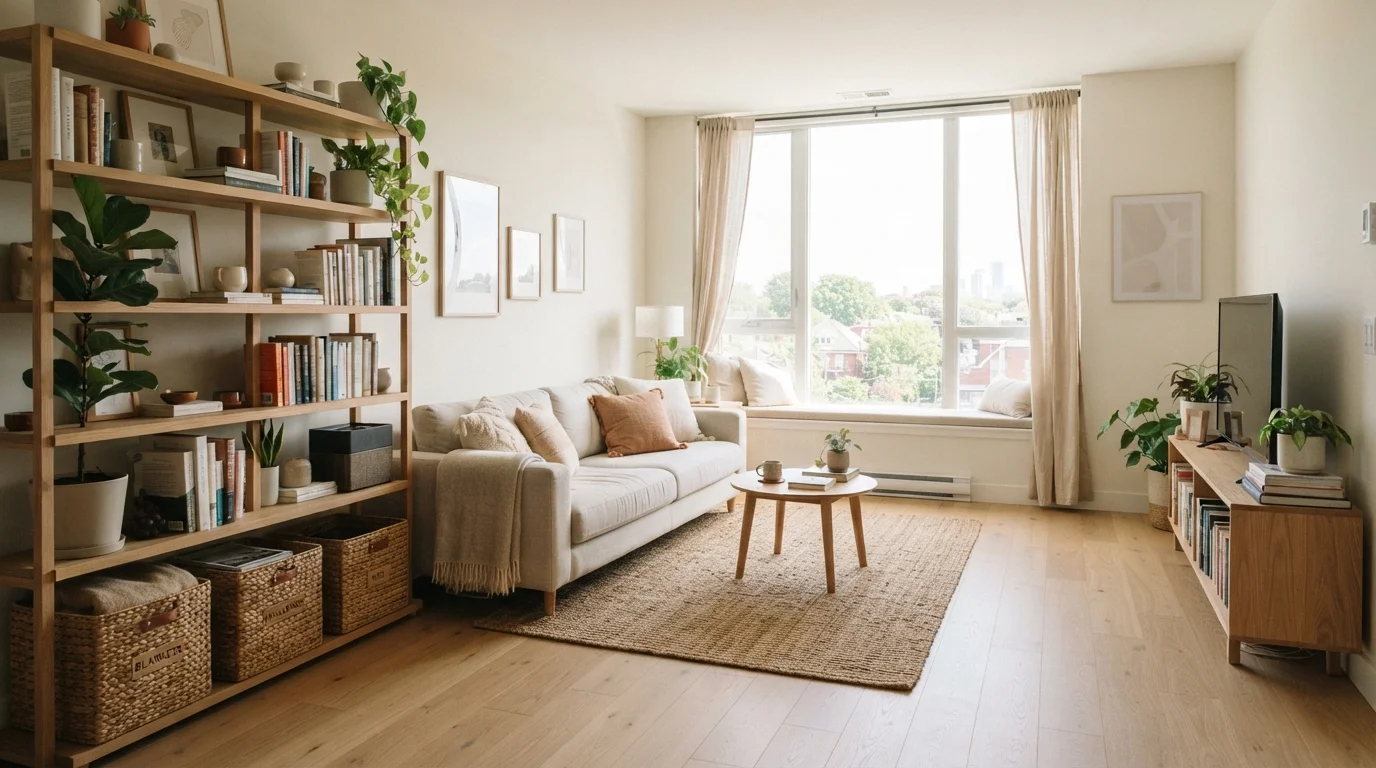
Photo: SummarizedReads.net | Just Read It! editorial
—— In This Article
Key Takeaways
- Start with an honest assessment of your space and habits before buying any storage products.
- A good organization system works with how you naturally behave, not against it.
- Renters can organize effectively using damage-free, removable solutions.
- Tackling one room or zone at a time prevents burnout and builds momentum.
- Maintenance habits matter more than the initial organizing session.
Why Home Organization Feels Overwhelming at First
Moving into a new rental or first home is exciting - and then the boxes arrive, and the excitement collides with the reality of limited storage, unfamiliar layouts, and no established routines. For many people, this is the first time they've had to build a functional living space entirely from scratch, without a family system already in place.
The good news: disorganization at this stage is normal, not a character flaw. Most spaces feel chaotic before they feel settled. The problem isn't a lack of discipline - it's the absence of a tested system. Once you understand that, the path forward becomes much clearer.
If you're also working through other first-time setup challenges, our first-time appliance orientation can help you prioritize what to set up first.
Zone organizing
Grouping items together based on where and how they're used, so everything you need for a task is within reach in one area.
Friction
In home organization, friction refers to the small obstacles that make everyday tasks harder - like not being able to find something quickly or having no clear surface to work on.
Fixed home
A designated, consistent spot where a specific item always lives. Having a fixed home for every item means you always know where to put it back.
Vertical storage
Using wall height rather than floor space to store items - through shelving, hooks, or over-door organizers - to maximize capacity in smaller spaces.
One-in-one-out rule
A simple habit where every new item brought into the home prompts the removal of an existing one, preventing gradual accumulation of clutter.
The Right Starting Point: Assess Before You Organize
The single most common mistake new organizers make is buying storage products before they understand the problem. Bins, baskets, and shelf dividers are only useful once you know exactly what you're storing and where. Otherwise, you're just moving clutter into containers.
Before you touch a single shelf, walk through your space with a notepad and ask:
- Which areas cause the most daily friction? (Can't find keys, no clear surface to prep food, bathroom counter always crowded?)
- What do you own that doesn't have a home yet?
- Which spaces are underused that could be doing more work?
This audit takes 30-60 minutes and pays dividends for every step that follows. For a structured way to repeat this process regularly, see our guide on seasonal organization audits.
Core Principles That Make Systems Stick
Effective home organization isn't about perfection - it's about designing systems that fit how you actually live. Here are the principles that tend to hold up over time:
Every item needs a fixed home
If something doesn't have a designated spot, it will migrate to the nearest flat surface. Assign a home to every category of item, and returning things becomes a two-second action rather than a decision.
Store things where you use them
This sounds obvious, but many people store items based on what seems logical rather than what's practical. Medications stored near the kitchen sink are easier to remember than those in a hallway cabinet - because that's where the behavior already happens.
Visibility reduces friction
Closed storage hides clutter but can also hide useful things. Open shelving, clear containers, and labeled bins all reduce the cognitive load of finding what you need. Use closed storage for items you access rarely.
Design for your real behavior, not your ideal self
When building a system, think about what you actually do - not what you wish you'd do. If you never hang up your coat, a hook at the door will work better than a closet rod ten feet away. Systems designed around real habits require almost no willpower to maintain.
These principles also explain why systems unravel. If your kitchen keeps falling back into chaos, it's usually a system problem - not a you problem. Our article on why kitchen organization unravels breaks down the common culprits.
Room-by-Room Priorities for Beginners
You don't have to organize your whole home at once. Tackling one zone at a time is more sustainable and produces visible wins that motivate the next step. Here's where beginners typically get the most value first:
Entryway
This is where daily chaos begins. A hook for keys, a spot for shoes, and somewhere to land mail immediately reduces morning friction. Even in a small apartment, a single command hook and a tray near the door makes a measurable difference.
Kitchen
Focus on your most-used categories first: cooking tools, dry pantry goods, and everyday dishes. Group items by use rather than type - everything you need for morning coffee in one zone, everything for cooking in another.
Bedroom and closet
Start with clothes you actually wear. A simplified closet (even just by removing what doesn't fit or isn't used) makes getting dressed faster and less stressful. Seasonal items can move to higher shelves or under-bed storage.
If clutter has accumulated in specific spots like a junk drawer, our guide on managing the junk drawer offers a practical, low-cost approach. And for tackling paper piles - mail, receipts, manuals - this guide on paper clutter walks through a simple triage system.
Renter-Friendly Strategies That Don't Risk Your Deposit
Renters face a specific constraint: you can't alter the space permanently. That rules out drilling into walls in most cases, but it leaves plenty of effective options.
- Freestanding shelving units add vertical storage without touching walls.
- Over-door organizers work on pantry, bathroom, and bedroom doors for shoes, cleaning supplies, or accessories.
- Tension rods create dividers inside cabinets or add hanging space inside closets.
- Removable adhesive hooks and strips hold lightweight items reliably on most wall surfaces - always test in a hidden spot first and follow weight limits.
- Furniture with built-in storage - ottomans, bed frames with drawers, benches - does double duty without modifying the space.
Check your lease before making any changes
Even damage-free products like adhesive strips can leave marks on certain wall finishes. Always review your rental agreement before adding hooks, shelving brackets, or any wall-mounted item. When in doubt, ask your landlord in writing - it protects both parties and avoids deposit disputes.
Working on your first home and curious about light DIY improvements? Our beginner's home improvement guide covers realistic first projects and what to leave to professionals.
Building Habits That Last
The initial organizing session is only half the work. What keeps a space functional is a handful of small, consistent habits - none of which require heroic effort.
The most effective: a short daily reset. Five minutes in the evening to return items to their homes, clear flat surfaces, and deal with anything that landed in the wrong place. This prevents the gradual drift that leads back to chaos.
Another habit worth building early is the one-in-one-out principle: when something new enters the home, something leaves. It's simple, but it's one of the most reliable ways to prevent accumulation over time. Our article on habits that prevent clutter from returning goes deeper on this approach.
Finally, if you share your space with others, organization becomes a conversation, not a solo project. Different people have different tolerances for tidiness, and systems need to account for that. See our guide on organizing shared spaces for strategies that work across multiple people. For quick wins when motivation is low, these small, targeted changes can make a real dent without a full overhaul.
Frequently Asked Questions

Home Editorial Team
Home Editorial Team is the collective byline for our editorial team and contributor network. Articles published under this byline or an editorial pen name are researched, written, and reviewed according to our editorial standards for clarity, consistency, and independence before publication.
View author profile